
Work-Life Balance means managing your professional and personal life effectively by setting boundaries, prioritizing self-care, recognizing stress signs, and using tools and habits that promote lasting balance and reduce burnout.
Work-Life Balance feels like a moving target for many of us, right? Ever wondered why it’s so hard to relax after work or find time just for yourself? This article explores practical ways to lighten that load and make space for what truly matters.
understanding what work-life balance really means
Work-life balance means effectively managing your professional duties and personal interests without one overwhelming the other. It’s about finding harmony where work responsibilities don’t consume all your time and energy, leaving room for family, hobbies, and rest.
Why it Matters
Maintaining this balance helps reduce stress, improves mental health, and increases overall happiness. People who achieve balance tend to be more productive and motivated both at work and home.
Key Aspects to Consider
- Time management: Allocating specific hours for work and personal life is essential to avoid burnout.
- Setting boundaries: Learning when to say no or disconnect from work tasks helps protect personal time.
- Self-care: Prioritizing activities that recharge you, such as exercise, hobbies, or quiet time.
Understanding that work-life balance looks different for everyone is crucial. It’s a personal journey to define what balance means for you and adjust as your life changes.
signs that stress is affecting your well-being

Stress can silently affect your well-being in many ways. Recognizing these signs early helps you take action before it impacts your health seriously.
Physical Signs
- Frequent headaches or muscle tension
- Fatigue and difficulty sleeping
- Upset stomach or digestive problems
Emotional and Mental Signs
- Feeling overwhelmed or anxious often
- Irritability and mood swings
- Difficulty concentrating or making decisions
Behavioral Changes
- Withdrawal from social activities
- Neglecting responsibilities or procrastination
- Increased use of alcohol or other substances
Being aware of these symptoms allows you to address stress proactively and seek support when needed, preserving both your mental and physical health.
effective strategies for managing stress daily
Managing stress daily requires a set of effective strategies that fit into your routine and help you stay balanced. Simple actions can reduce tension and improve your overall well-being.
Practice mindfulness and meditation
Taking just a few minutes a day to focus on your breath or meditate can calm your mind. Mindfulness helps you stay present and reduces feelings of anxiety.
Stay physically active
Exercise releases endorphins, natural mood boosters that fight stress. Activities like walking, yoga, or stretching can clear your mind and improve energy levels.
Organize and prioritize tasks
Using lists or planners to organize your day reduces overwhelm. Focus on completing important tasks first and break big projects into smaller steps.
Set boundaries
Learn to say no and limit overtime when possible. Protecting your personal time allows for rest and recharging, which is critical to managing stress.
Connect with others
Talking with friends or family offers emotional support. Sharing your feelings and experiences can lighten your mental load.
Get enough rest
Quality sleep is essential. Aim for consistent sleep schedules, avoid screens before bed, and create a calming night routine.
how to set boundaries between work and personal life

Setting clear boundaries between work and personal life is essential to prevent one from spilling over into the other. This creates space to relax and recharge, improving your overall well-being.
Define specific work hours
Establish a consistent schedule when you start and end your workday. Inform colleagues and supervisors about your availability to set expectations.
Create a dedicated workspace
Using a specific area for work helps your brain distinguish between work and personal time. When you leave that space, shift your focus to personal activities.
Turn off work notifications
Avoid checking emails or messages outside of your set work hours. Use “do not disturb” modes on devices to help maintain your boundaries.
Communicate your limits
Be clear with your team and family about your boundaries. Saying no or asking for flexibility when needed preserves your time and energy.
Schedule personal time
Block out time for hobbies, exercise, or socializing, just like work meetings. Treat this time as non-negotiable to keep balance.
Practice saying no
Respect your limits by declining extra work or social obligations that could overwhelm you. Prioritize activities that support your well-being.
prioritizing self-care without feeling guilty
Taking time for self-care is essential, but many feel guilty about it. Understanding its importance can help shift your mindset and make caring for yourself a priority.
Recognize self-care as necessary
Self-care is not selfish; it’s a critical part of maintaining your physical and mental health. When you care for yourself, you’re better able to support others.
Schedule regular self-care time
Plan activities like reading, relaxing, or hobbies just as you would work or appointments. Treat this time as non-negotiable to reduce guilt.
Set realistic expectations
Understand that you don’t need to do everything perfectly. Accepting limits helps reduce stress and makes room for self-care.
Learn to say no
Protect your time by declining tasks or social events when you need a break. Setting boundaries supports your well-being.
Find small ways to care for yourself daily
Simple acts like a short walk, deep breaths, or listening to music can recharge your energy without taking much time.
Shift your mindset
Remind yourself that self-care improves your mood, focus, and relationships. Feeling guilty often comes from misplaced priorities.
tools and habits that support lasting balance
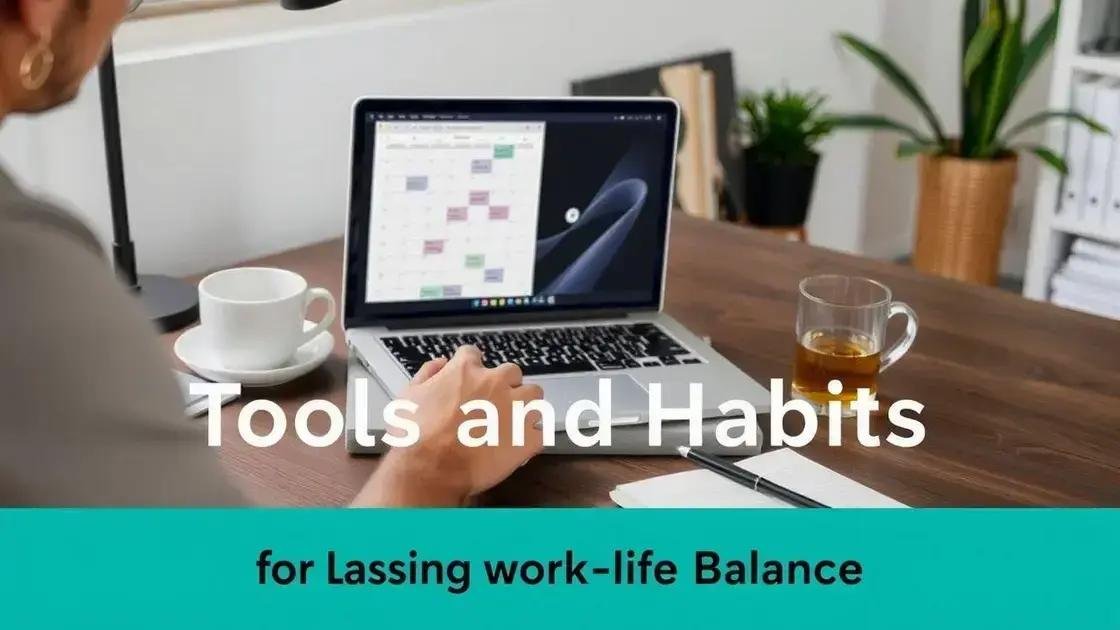
Maintaining a lasting work-life balance often depends on using the right tools and developing helpful habits that fit your lifestyle.
Digital tools for organization
Calendar apps, task managers, and reminder tools help you keep track of work deadlines and personal appointments, reducing stress from forgotten tasks.
Time-blocking techniques
Scheduling specific blocks of time for focused work and breaks ensures you don’t overwork and have time to recharge throughout the day.
Healthy daily routines
Regular habits like waking up at the same time, exercising, and setting aside moments for relaxation build consistency and promote balance.
Mindfulness and reflection
Practicing mindfulness or journaling each day helps you stay aware of your needs and adjust your schedule accordingly.
Limiting digital distractions
Turning off non-essential notifications and setting boundaries with technology helps prevent burnout and keeps you focused.
Seeking support and accountability
Sharing your goals with friends, family, or colleagues can motivate you to maintain balance and encourage healthy habits.
Finding your work-life balance
Achieving a healthy work-life balance takes effort, but it’s worth it for your well-being. By recognizing stress signs, setting boundaries, and prioritizing self-care, you can reduce burnout and enjoy life more fully.
Using helpful tools and habits keeps you organized and focused, making balance easier to maintain every day. Remember, small consistent steps lead to lasting change and a happier, healthier you.
Work-Life Balance: Managing Stress and Finding Time for Yourself
What is work-life balance and why is it important?
Work-life balance means effectively managing your work and personal life to reduce stress and improve overall happiness.
How can I tell if stress is affecting my well-being?
Common signs include headaches, fatigue, irritability, difficulty concentrating, and withdrawing from social activities.
What are some daily strategies to manage stress?
Practicing mindfulness, exercising regularly, organizing tasks, setting boundaries, connecting with others, and getting enough rest can help manage stress daily.
How do I set boundaries between work and personal life?
Define work hours, create a dedicated workspace, turn off work notifications after hours, communicate limits, and schedule personal time.
Why is prioritizing self-care important and how do I do it without guilt?
Self-care improves your health and mood. Schedule it as regular time, set realistic expectations, say no when needed, and remind yourself it’s necessary, not selfish.
What tools and habits support lasting work-life balance?
Using digital organizers, time-blocking, healthy routines, mindfulness, limiting distractions, and seeking support can help maintain lasting balance.