
Superfoods are nutrient-dense foods rich in antioxidants, vitamins, and minerals that boost energy, support immunity, and improve overall health when included regularly as part of a balanced diet.
Ever wondered how a few nutrient-packed ingredients could change your everyday meals? Superfoods aren’t just trendy—they pack a punch of benefits that your body might just love. Curious to learn which ones deserve a spot on your plate?
understanding what makes a food a superfood
Superfoods are not just foods with fancy names; they are powerful nutrient-dense options that provide exceptional health benefits. What sets a superfood apart is its high levels of vitamins, minerals, antioxidants, and other essential compounds that support overall well-being. For example, foods rich in antioxidants, like blueberries, help protect your cells from damage.
Another key characteristic is their ability to deliver a variety of nutrients in small servings, making them a smart choice for anyone looking to improve diet quality. Many superfoods also have anti-inflammatory properties, which can reduce the risk of chronic diseases.
It’s important to note that a superfood isn’t a magic cure but rather a part of a balanced diet to boost nutrition and energy. Look for natural, whole foods like leafy greens, nuts, seeds, and colorful fruits, as these typically make the list of superfoods.
Key qualities that define a superfood
- High nutrient concentration: Packed with vitamins, minerals, and antioxidants.
- Health benefits: Supports immune system, heart health, and reduces inflammation.
- Minimal processing: Often whole, natural foods without added sugars or preservatives.
- Versatility: Easy to incorporate into various meals.
how to identify nutrient powerhouses in your pantry

Identifying nutrient powerhouses in your pantry starts with knowing which foods offer the most benefits per serving. Look for items rich in vitamins, minerals, antioxidants, and healthy fats. Examples include nuts, seeds, whole grains, and dried legumes, which provide lasting energy and essential nutrients.
Check labels and opt for minimally processed foods with no added sugars or unhealthy fats. Foods like quinoa, chia seeds, and oats are easy to store and highly nutritious. Keep a variety of colorful dried fruits and herbs as they provide antioxidants and flavor enhancers.
Common pantry staples that pack a nutritional punch
- Nuts and seeds: Almonds, walnuts, flaxseeds, and sunflower seeds supply healthy fats and protein.
- Whole grains: Brown rice, quinoa, and oats are excellent sources of fiber and minerals.
- Legumes: Lentils, chickpeas, and black beans deliver fiber and plant-based protein.
- Dried fruits: Raisins, goji berries, and apricots provide antioxidants and natural sweetness.
Organizing your pantry by grouping these items where you can see them easily also helps you remember to include them in meals. Rotate and replenish to maintain freshness and variety, which makes it easier to stay on track with a nutrient-rich diet.
five superfoods to boost energy and immunity
Including the right superfoods in your diet can greatly enhance your energy levels and strengthen your immune system. Here are five powerful options to consider:
1. Blueberries
Blueberries are rich in antioxidants and vitamins, especially vitamin C. They help fight free radicals and support immune defense, while also providing a natural energy boost.
2. Spinach
Loaded with iron, magnesium, and vitamins A and C, spinach supports energy production and boosts immunity. It helps carry oxygen in the blood, reducing fatigue and supporting overall health.
3. Chia Seeds
Chia seeds are packed with omega-3 fatty acids, fiber, and protein. They provide sustained energy and help maintain stable blood sugar levels, which is important for immune function.
4. Greek Yogurt
Rich in probiotics, protein, and calcium, Greek yogurt strengthens gut health, which is closely linked to immune system strength. Adequate protein also supports energy and muscle repair.
5. Turmeric
Turmeric contains curcumin, a powerful anti-inflammatory compound. It enhances immunity by reducing chronic inflammation and supports overall vitality.
These superfoods are easy to include in smoothies, salads, or snacks, making it simple to enjoy their benefits throughout your day.
easy ways to include superfoods in every meal
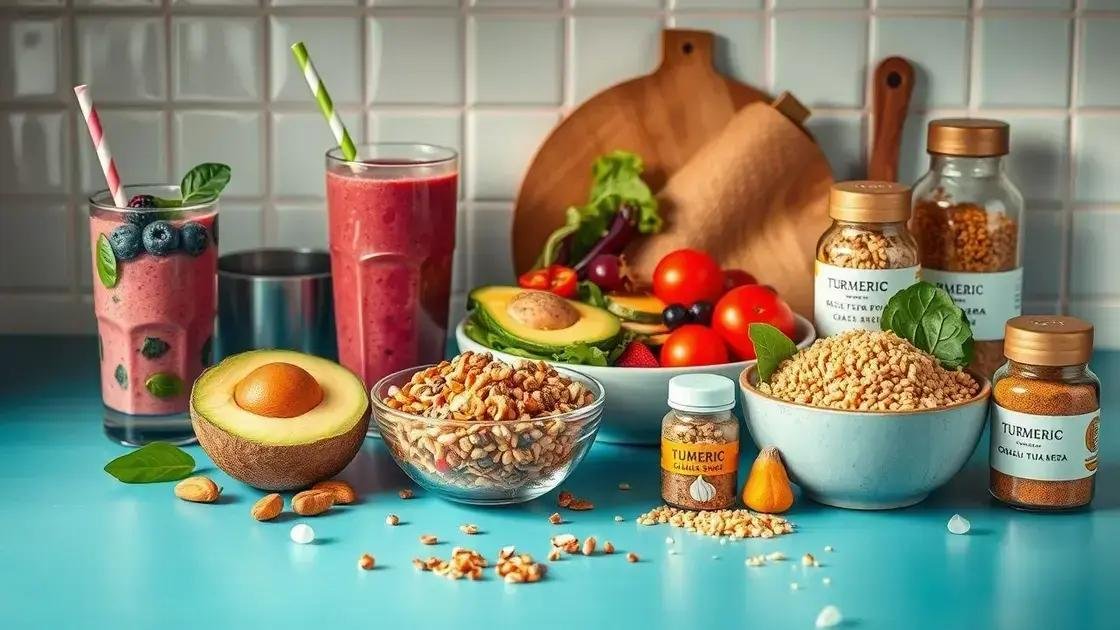
Incorporating superfoods into your daily meals doesn’t have to be difficult. Simple adjustments can make your diet more nutritious and exciting.
Start your day with a boost
Add berries, chia seeds, or spinach to your breakfast smoothies or oatmeal. These superfoods provide important vitamins and fiber to fuel your morning.
Enhance salads and snacks
Top salads with nuts, seeds, or avocado for added healthy fats and crunch. Snack on Greek yogurt with a drizzle of honey and some nuts to keep energy levels high.
Upgrade your main dishes
Incorporate quinoa or lentils as a base in place of rice or pasta. Use turmeric and garlic in your cooking to add flavor and health benefits. Stir leafy greens into soups, stews, or pasta sauces.
Keep superfoods handy
Stock your pantry with convenient options like canned beans, frozen berries, and nuts. This makes it easier to add a superfood element to meals quickly.
Experiment with recipes by blending superfoods into favorites like pancakes, energy bars, or homemade dressings. Small, consistent changes can result in lasting health improvements.
the science behind superfoods and health benefits
Superfoods owe their reputation to a wealth of scientific research highlighting their health benefits. These foods contain high levels of antioxidants, vitamins, minerals, and phytochemicals, which help protect the body from oxidative stress and inflammation.
Oxidative stress occurs when harmful molecules called free radicals damage cells. Superfoods like berries and green tea are rich in antioxidants that neutralize these free radicals, reducing the risk of chronic diseases such as heart disease and cancer.
How nutrients in superfoods affect health
- Vitamins and minerals support immune function, energy production, and cell repair.
- Phytochemicals have anti-inflammatory and anticancer properties.
- Fiber promotes healthy digestion and regulates blood sugar.
- Healthy fats, like omega-3s found in nuts and seeds, support brain health and reduce inflammation.
Ongoing studies continue to reveal how regular consumption of superfoods can improve cognitive function, boost immunity, and support heart health. While no single food can guarantee perfect health, these nutrient-rich options contribute to a balanced diet that supports the body’s natural defenses.
common myths and facts about superfoods
There are many myths surrounding superfoods that can cause confusion. It’s important to separate fact from fiction to make informed choices.
Myth 1: Superfoods can replace a balanced diet
Fact: No single food can provide all the nutrients your body needs. Superfoods are supplements, not substitutes for a varied and balanced diet.
Myth 2: Superfoods have magical healing powers
Fact: While superfoods offer many health benefits, they aren’t magic cures. Their impact works best as part of an overall healthy lifestyle.
Myth 3: Only exotic or expensive foods qualify as superfoods
Fact: Common foods such as spinach, blueberries, and nuts also count as superfoods and are often affordable and easy to find.
Myth 4: All superfoods are low-calorie and weight-loss aids
Fact: Some superfoods are calorie-dense, like nuts and seeds, but their healthy fats and nutrients promote satiety and overall wellness.
Understanding these myths helps you focus on including a range of nutrient-rich foods without unrealistic expectations or misinformation guiding your choices.
Wrapping up your superfood journey
Superfoods offer a simple way to add extra nutrition and flavor to your meals. Including them regularly can support your energy, immunity, and overall health. Remember, the key is balance and variety, not relying on any one food to do it all.
Focus on whole, natural foods and enjoy experimenting with ways to include these nutrient powerhouses in your diet. Small changes can lead to big benefits over time, making your meals both delicious and nourishing.
By understanding the science and myths behind superfoods, you can make confident choices that truly benefit your well-being every day.
FAQ – Common Questions About Superfoods
What exactly are superfoods?
Superfoods are nutrient-rich foods considered especially beneficial for health and well-being due to their high levels of vitamins, minerals, and antioxidants.
Can superfoods replace a balanced diet?
No, superfoods should complement a balanced diet, not replace it. Eating a variety of foods is essential for overall health.
Are superfoods only exotic or expensive items?
Not at all. Many common foods like spinach, blueberries, and nuts are considered superfoods and are often affordable and easy to find.
How can I easily include superfoods in my daily meals?
You can add superfoods like berries to smoothies, toss nuts into salads, or use quinoa and leafy greens in main dishes for simple and tasty options.
Do superfoods have instant health benefits?
Superfoods benefit your health over time as part of a consistent, balanced diet. They are not quick fixes but support long-term wellness.
Are there any myths I should be aware of about superfoods?
Yes, common myths include that superfoods can cure diseases or replace all other healthy foods. It’s important to have realistic expectations and focus on overall diet quality.