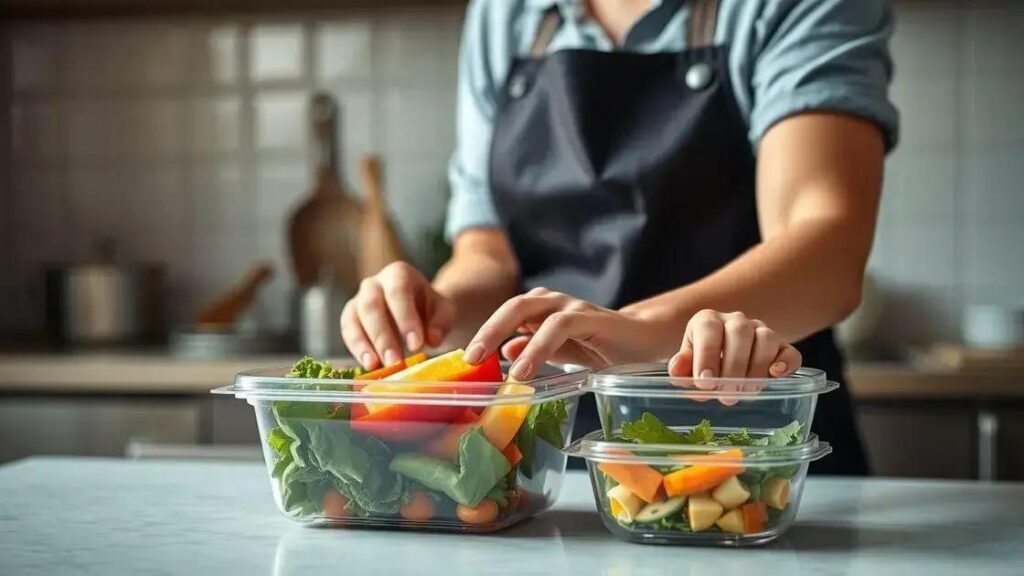
Meal prep is the process of planning, preparing, and storing meals in advance to save time, reduce stress, and promote healthier eating during busy weekdays.
Meal Prep offers a simple way to eat well even on your busiest days. Have you ever wondered how planning a few meals ahead could free up your evenings and improve your diet? Let’s explore some easy recipes and tricks that make healthy eating fit into a packed schedule.
why meal prep works for busy weekdays
Meal prep works so well for busy weekdays because it saves time, reduces stress, and helps you eat healthier. When you prepare your meals in advance, you avoid last-minute decisions about what to cook, which often leads to unhealthy fast food or skipped meals.
By cooking in batches, you can use your time efficiently and have a variety of meals ready to go. This not only cuts down daily cooking time but also minimizes cleanup since you’re preparing multiple meals at once. Additionally, meal prepping allows you to control portion sizes and ingredients, making it easier to stick to your health goals.
Planning for success
A key part of effective meal prep is planning. This means choosing recipes that store well, can be quickly reheated, and provide balanced nutrition. Start by selecting meals with ingredients that overlap to simplify shopping and reduce waste.
Using containers that are microwave-safe and well-sealed helps keep your food fresh throughout the week. Also, labeling your meals by day can help you stay organized and avoid confusion during busy mornings.
Benefits beyond convenience
Besides saving time, meal prep can improve your diet quality. Having healthy meals ready encourages better choices and reduces the temptation of unhealthy snacks. It can also help with budgeting, as buying ingredients in bulk is often cheaper than last-minute grocery runs or takeout.
With meal prep, you gain greater control over what you eat, which is especially helpful on hectic days when making smart food choices is challenging.
choosing recipes that save time and boost health
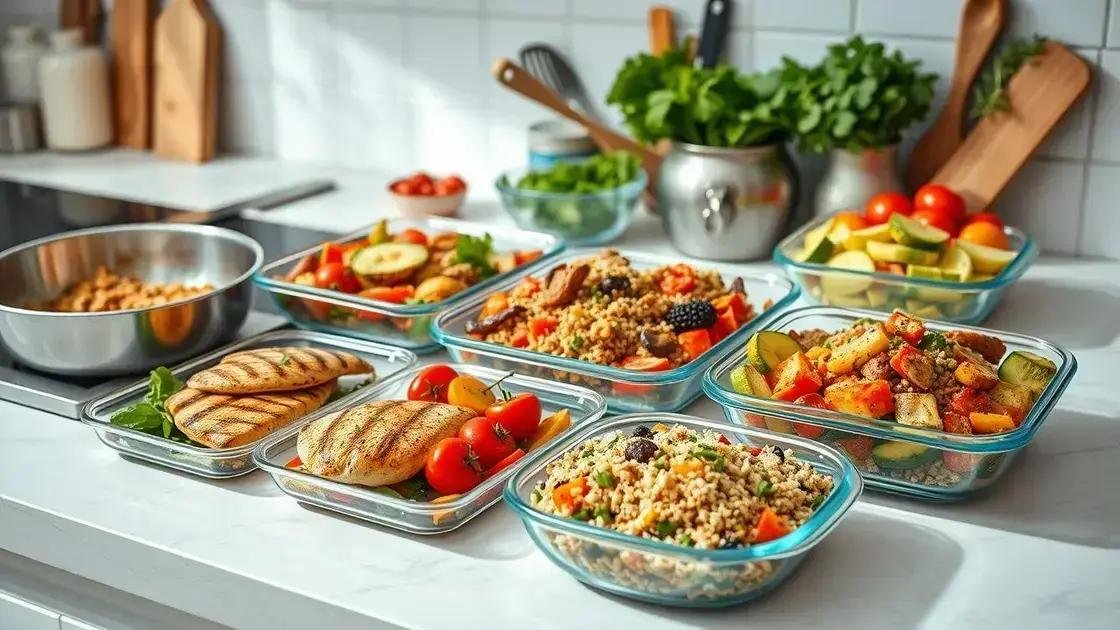
Choosing recipes that save time and boost health is essential for successful meal prep. Focus on meals that have fewer ingredients and can be cooked quickly without compromising nutrition. Simple recipes with whole foods like lean proteins, fresh vegetables, and whole grains make your meals both healthy and easy to prepare.
Look for versatile ingredients
Opt for ingredients that can be used in multiple dishes, such as chicken, quinoa, beans, and spinach. This reduces shopping time and helps you create a variety of meals with less effort.
One-pot and sheet-pan meals
Consider recipes that use one-pot or sheet-pan cooking methods. These meals minimize cleanup and maximize flavor through roasting or simmering everything together.
Batch-friendly recipes like soups, stews, and salads also work well since you can prepare large portions and store leftovers for the week.
Quick cooking techniques
Utilize cooking methods like stir-frying, steaming, or slow cooking, which preserve nutrients and reduce cooking time. Using pre-chopped veggies or frozen produce can also speed up prep.
By prioritizing these types of recipes, you can enjoy delicious, balanced meals that fit your busy schedule.
batch cooking basics for quick meal prep
Batch cooking is a powerful method that allows you to prepare large quantities of food at once, making meal prep faster and more efficient. This technique helps you save time during busy weekdays by having ready-to-eat meals waiting in your fridge or freezer.
Choosing recipes for batch cooking
Opt for dishes that hold up well over several days, such as casseroles, soups, stews, and stir-fries. These meals often reheat nicely without losing flavor or texture.
Preparing ingredients in advance
Start by chopping vegetables and marinating proteins ahead of time. Having your ingredients ready before cooking streamlines the process and reduces overall prep time.
Using proper storage containers
Invest in high-quality airtight containers that keep food fresh and make it easy to portion meals. Label each container with the date and content to stay organized.
Freezing batches of meals can extend their shelf life and provide convenient options for days when cooking isn’t possible.
Plan your cooking schedule
Dedicate a few hours once or twice a week specifically to batch cooking. This focused approach helps you avoid daily cooking stress while ensuring your meals are nutritious and ready to go.
using apps and plans to organize your meals
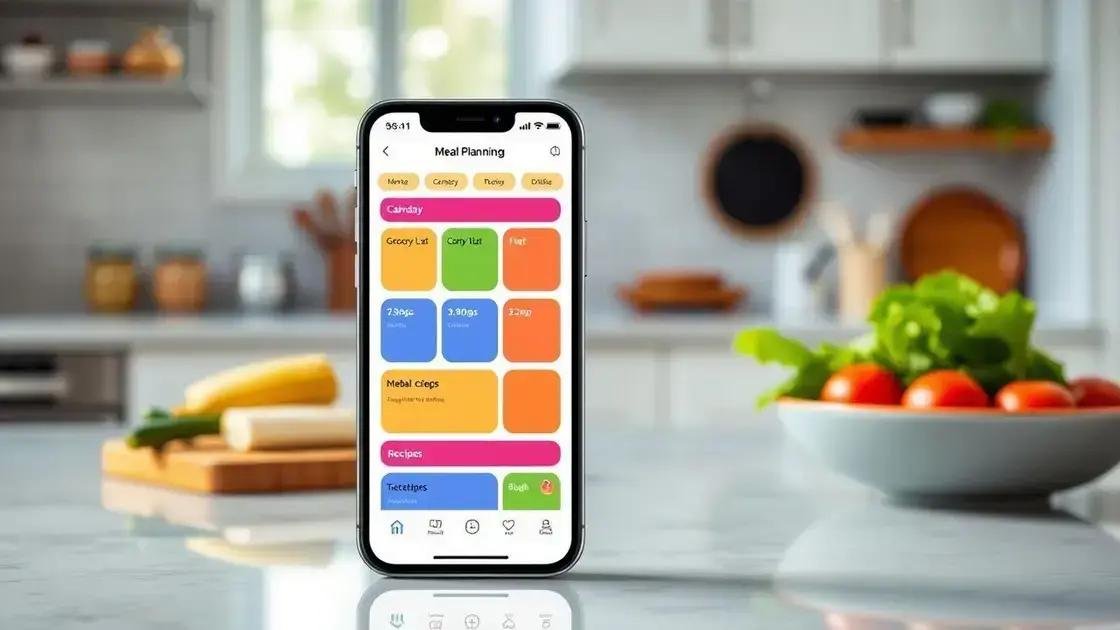
Using apps and meal plans can make staying organized and consistent with meal prep much easier. These tools help you track recipes, plan weekly menus, and manage grocery lists all in one place.
Benefits of meal planning apps
Meal planning apps offer features like customizable meal calendars, nutritional information, and reminders to keep you on track. Many apps allow you to save favorite recipes and generate shopping lists automatically, saving you time and effort.
Choosing the right app for you
Look for apps that fit your lifestyle and dietary needs. Some focus on specific goals like weight loss, vegetarian diets, or budget-friendly meals. Trying a few free versions can help you find the best one.
Creating effective meal plans
When building your meal plan, include a balance of proteins, carbs, and vegetables. Planning meals in advance reduces decision fatigue and helps avoid last-minute unhealthy choices.
Syncing your plan with a shopping list ensures you have all ingredients on hand, cutting down on extra trips to the store.
Staying flexible
It’s important to adjust your meal plans as needed. Some apps let you swap meals or adjust portion sizes easily, which helps accommodate changes in your schedule or appetite.
By integrating technology into your meal prep routine, you can save time, reduce stress, and stick to your health goals more effectively.
smart shopping tips for meal preparation
Smart shopping can make meal prep easier, cheaper, and more efficient. Start by making a detailed grocery list based on your meal plan. This helps avoid impulse buys and ensures you have everything needed for the week.
Buy in bulk wisely
Purchasing staples like rice, beans, and frozen vegetables in bulk can save money and reduce shopping frequency. Focus on items you use often and that have a long shelf life.
Shop seasonal and local produce
Seasonal fruits and vegetables are often fresher, tastier, and more affordable. Local markets can be great places to find quality produce while supporting your community.
Use coupons and discounts
Look for coupons, digital deals, or store loyalty programs. These can add up to significant savings over time while allowing you to buy higher-quality ingredients.
Stick to perimeter shopping where fresh foods like produce, meats, and dairy are located. This reduces the temptation of processed and unhealthy foods usually found in the store center aisles.
Compare prices and brands
Check unit prices to get the best deals and consider generic or store brands, which often offer similar quality at lower costs.
By shopping smart, you set yourself up for successful meal prep with nutritious ingredients, saving both time and money.
storing and reheating meals without losing flavor
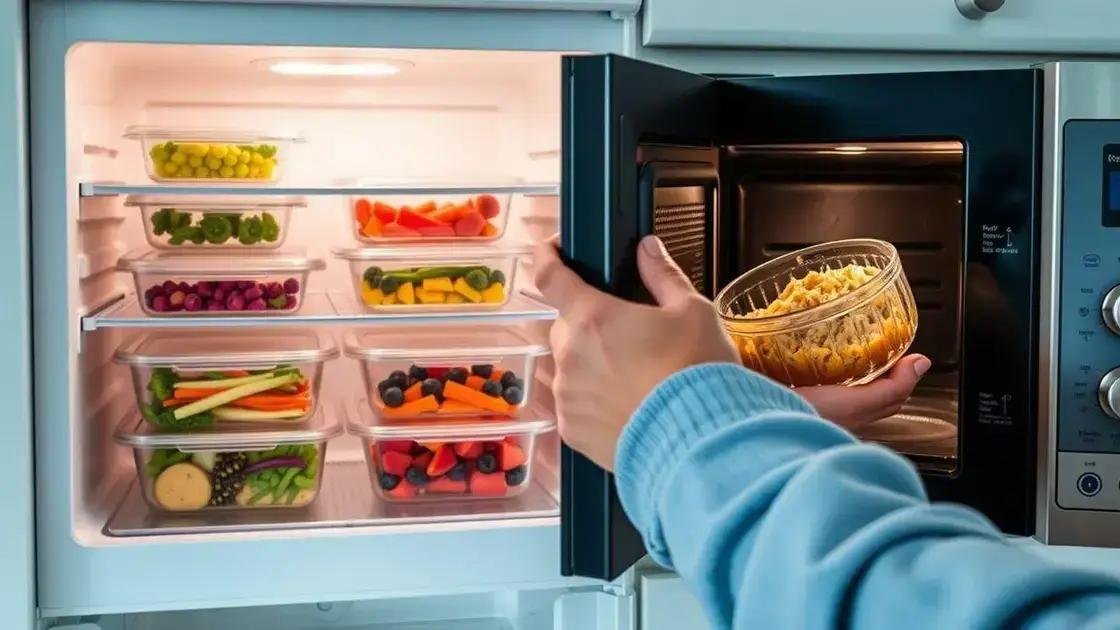
Properly storing and reheating meals is key to maintaining flavor and freshness throughout the week. Use airtight containers to keep moisture in and prevent your food from drying out or absorbing other odors in the fridge.
Storage tips
Divide meals into portion-sized containers so you only reheat what you need. Let hot food cool slightly before sealing containers and refrigerating to avoid condensation that can make food soggy.
Best containers to use
Glass containers with tight-fitting lids are ideal for storage and safe for reheating. They preserve flavors better and don’t retain stains or odors like some plastics.
Reheating methods
Reheat meals gently to preserve texture and taste. Using a microwave with a cover helps steam the food, keeping it moist. Stir halfway through heating for even warmth. Oven reheating at a moderate temperature is great for baked dishes, maintaining crispness.
Avoid overheating, which can dry out meals and cause nutrients to degrade. Adding a splash of water or broth before reheating can also keep dishes juicy.
Freezing and thawing
If freezing meals, wrap them well to prevent freezer burn. Thaw in the refrigerator overnight for best results, and reheat promptly after thawing to maintain quality.
By following these tips, you can enjoy fresh-tasting and healthy meals, even days after preparing them.
Making meal prep work for you
Meal prep can simplify your busy weekdays, save time, and help you eat healthier by planning ahead. Using smart recipes, batch cooking, and helpful apps can make the process easier and more enjoyable.
Shopping wisely and storing meals properly will keep your food fresh and tasty throughout the week. With a bit of practice, meal prep becomes a valuable habit that supports your health and frees up time for other activities.
Start simple, stay flexible, and enjoy the benefits of having nutritious meals ready when you need them most.
FAQ – Common Questions About Meal Prep for Busy Weekdays
What is meal prep and why is it useful?
Meal prep involves planning and preparing meals in advance to save time and ensure healthier eating during busy days.
How can I choose recipes that save time and are healthy?
Opt for simple recipes with few ingredients, focus on whole foods, and use quick cooking methods like stir-frying or one-pot meals.
What is batch cooking and how does it help?
Batch cooking means making large portions of meals at once, so you have ready-to-eat food for several days, saving time on daily cooking.
Are there apps that can help with meal planning?
Yes, many apps help organize meals, generate shopping lists, and offer recipes tailored to your diet and schedule.
What are some smart shopping tips for meal prep?
Make a grocery list based on your meal plan, buy staples in bulk, shop seasonal produce, and use coupons to save money.
How can I store and reheat meals without losing flavor?
Use airtight containers, cool food before storing, reheat gently using microwave covers or ovens, and avoid overheating to keep meals fresh and tasty.