
HIIT Workouts are high-intensity interval training sessions that alternate short bursts of intense exercise with rest, maximizing fat burning and improving fitness efficiently in just 15-30 minutes.
If you’re looking to melt fat quickly, HIIT Workouts might just be your best bet. Ever wondered why these intense bursts of exercise are everywhere? Let’s dive into what makes them tick and how they could fit into your busy life.
what is hiit and how does it work
HIIT, or high-intensity interval training, is a workout style that alternates short bursts of intense exercise with brief recovery periods. This approach pushes your body to its limit in short, focused sessions, making it very efficient for burning calories and fat.
How HIIT Works
During the intense intervals, your heart rate spikes, which boosts your metabolism significantly. Then, during the recovery periods, your heart rate lowers but remains elevated compared to resting heart rate. This cycle of intense effort and recovery increases the overall calorie burn not only during the workout but also for hours afterward, a phenomenon called the afterburn effect or excess post-exercise oxygen consumption (EPOC).
Why It’s Effective
HIIT workouts are effective because they challenge your cardiovascular system and muscles in short, powerful bursts. This builds endurance and strength simultaneously. The wide variety of exercises possible in HIIT sessions keeps routines interesting while maximizing fat burn and improving fitness levels.
Popular HIIT exercises include sprinting, jumping jacks, burpees, and bodyweight circuits. These moves focus on large muscle groups and increase your breathing and heart rates quickly.
benefits of hiit for fat burning and fitness

HIIT workouts offer powerful benefits for both fat burning and overall fitness, making them popular among people looking for quick and effective exercise.
Accelerated fat loss
HIIT increases your heart rate rapidly, which helps burn more calories during and after exercise. The afterburn effect, or EPOC, means your body continues to burn fat for hours post-workout.
Improved cardiovascular health
Brief bursts of intense activity followed by recovery periods enhance heart and lung capacity. This boosts endurance and improves oxygen use in your body, contributing to better heart health.
Time efficiency
HIIT sessions are typically shorter than traditional workouts but deliver equal or better results. This makes HIIT perfect for busy lifestyles aiming for maximum impact in less time.
Muscle building and retention
Unlike steady-state cardio, HIIT promotes muscle preservation while burning fat. It engages multiple muscle groups through bodyweight or weighted exercises, helping maintain lean muscle mass.
Enhanced metabolism
Regular HIIT training raises your resting metabolic rate. This means your body burns more calories even while resting, contributing to long-term fat loss and fitness improvements.
best hiit exercises for quick calorie burn
Some of the best HIIT exercises for quick calorie burn focus on engaging multiple muscle groups and keeping your heart rate high. These moves are easy to modify based on your fitness level and require minimal or no equipment.
Burpees
Burpees combine a squat, jump, and push-up, making them an all-in-one exercise. They rapidly increase your heart rate and work the entire body, burning a lot of calories in a short time.
Jump squats
This plyometric move strengthens your legs and glutes while elevating your heart rate. The explosive jump adds an aerobic element that boosts calorie burn efficiently.
Mountain climbers
Mountain climbers target your core and shoulders as you drive your knees quickly toward your chest. This exercise improves endurance and coordination while torching calories.
High knees
Running in place while lifting your knees high engages your core and hip flexors. It raises your heart rate quickly and keeps it elevated, making it excellent for calorie burning.
Jumping lunges
This dynamic move alternates lunges with a jump for added intensity, working leg muscles while boosting cardiovascular fitness.
Push-up to plank taps
This combination targets the upper body and core. Switching between push-ups and tapping your shoulders in a plank position keeps muscles engaged and heart rate elevated.
Mixing these exercises in short, intense intervals maximizes fat burning and enhances overall fitness in your HIIT workouts.
how to structure your hiit workout sessions
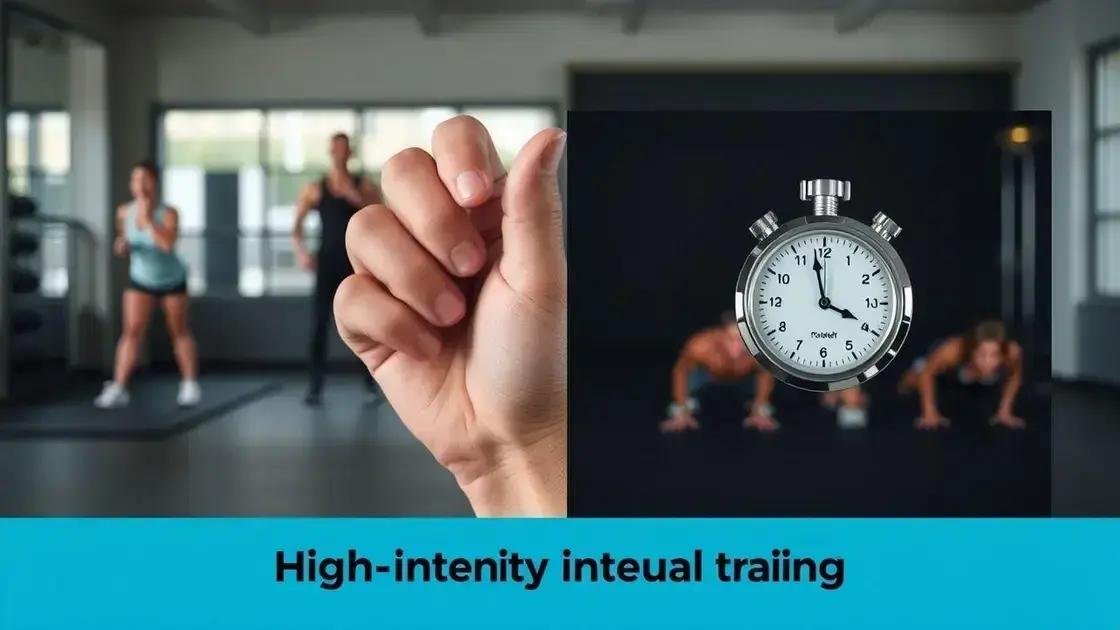
Structuring your HIIT workout sessions properly can maximize results and reduce risk of injury. A well-planned routine balances intense effort with recovery, allowing you to push hard while giving your body time to recharge.
Warm-up
Start each session with a 5-10 minute warm-up to increase blood flow and prepare muscles. Dynamic movements like jogging, arm circles, and leg swings are effective for warming up.
Interval design
Create intervals that alternate between high-intensity exercise and recovery. Common formats include 20-30 seconds of work followed by 10-30 seconds of rest. Beginners might start with longer rest periods, while advanced exercisers can shorten recovery.
Exercise selection
Choose exercises that engage multiple muscle groups and elevate your heart rate. Combine cardio moves like sprints or jumping jacks with strength exercises such as push-ups or squats for a full-body workout.
Total session length
HIIT workouts are usually brief. Aim for 15-30 minutes total, including warm-up and cool-down. This short duration makes them ideal for busy schedules while still effective.
Cool-down
End with 5-10 minutes of stretching or light activity to lower heart rate and aid recovery. Stretching helps reduce muscle stiffness and improve flexibility.
Listen to your body
Adjust intensity based on how you feel. It’s important to challenge yourself but avoid overtraining. Rest days and gradual progression keep you safe and sustainable.
common mistakes to avoid during hiit training
Many people start HIIT workouts eager to burn fat and get fit but unknowingly make mistakes that reduce effectiveness or cause injury.
Skipping proper warm-up
Not warming up can increase injury risk and limit performance. Spend 5-10 minutes warming up with light cardio and dynamic stretches to prepare your muscles and joints.
Poor form during exercises
Performing movements incorrectly can lead to strains or joint pain. Focus on technique over speed to maximize benefits safely.
Overtraining without sufficient rest
HIIT is intense and demands recovery. Working out daily with high intensity can cause fatigue and injuries. Allow at least one rest or low-intensity day between sessions.
Ignoring hydration and nutrition
Dehydration and lack of energy hurt performance. Drink water before, during, and after workouts. Proper nutrition supports energy levels and recovery.
Setting unrealistic goals
Expecting quick results may lead to frustration and burnout. Start gradually and increase intensity over time for sustainable progress.
Neglecting cool-down and stretching
Skipping cool-down limits muscle recovery and flexibility. Finish each session with stretching or light activity to aid muscle repair and prevent stiffness.
how to combine hiit with diet for optimal results
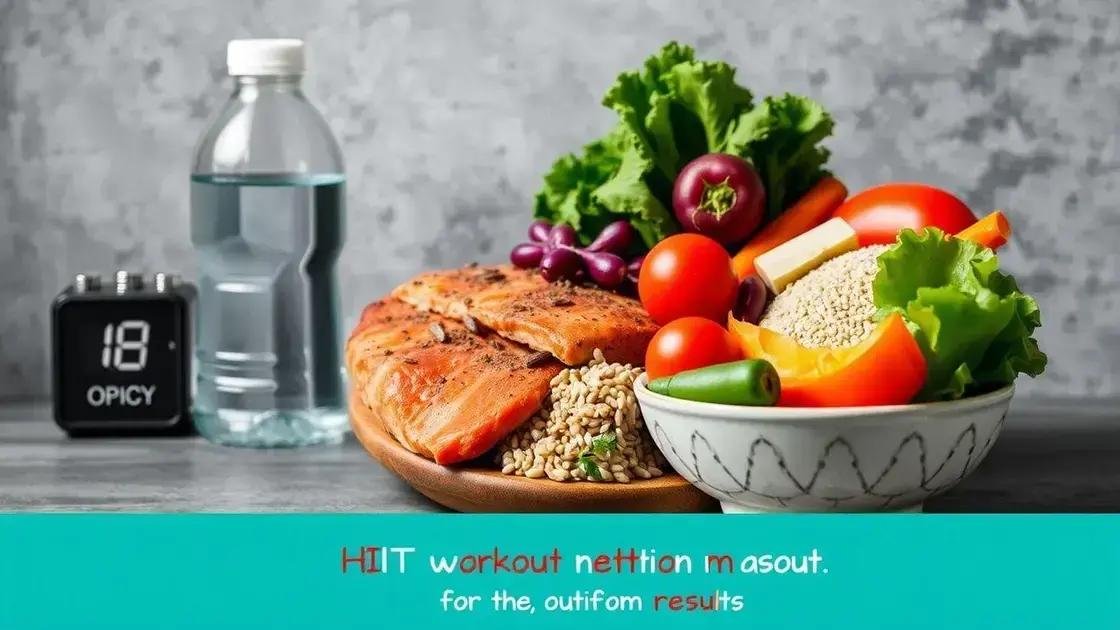
Combining HIIT workouts with a proper diet is essential to maximize fat burning and improve fitness results. Your nutrition directly affects your energy levels, recovery, and body composition.
Prioritize protein intake
Protein supports muscle repair and growth after intense training. Include lean meats, fish, eggs, or plant-based proteins like beans and lentils in your meals.
Choose complex carbohydrates
Carbs are the main fuel for HIIT sessions. Opt for whole grains, vegetables, and fruits to provide sustained energy and important nutrients.
Healthy fats matter
Incorporate sources of healthy fats such as avocados, nuts, seeds, and olive oil. They help with hormone balance and keep you fuller longer.
Hydration is key
Drinking enough water supports performance and recovery. Aim to stay hydrated before, during, and after workouts.
Meal timing
Eating a balanced meal 1-2 hours before HIIT fuels your session. Post-workout, consume carbs and protein within 30 minutes to assist muscle recovery and replenish energy stores.
Manage calories wisely
To lose fat, maintain a slight calorie deficit without starving yourself. Track your intake if needed to align with your fitness goals.
Wrapping up on HIIT workouts and optimal fat burning
HIIT workouts offer a time-efficient and effective way to burn fat and improve fitness. By combining proper training techniques, avoiding common mistakes, and pairing your workouts with the right diet, you set yourself up for lasting success.
Remember to listen to your body, structure your sessions smartly, and focus on balanced nutrition to fuel and recover well. Consistency and patience are key to reaching your goals while staying healthy.
Start gradually, stay dedicated, and enjoy the many benefits HIIT has to offer for your body and overall well-being.
FAQ – Common Questions About HIIT Workouts
What is HIIT and why is it effective for fat burning?
HIIT stands for high-intensity interval training. It is effective because it alternates intense exercise with recovery, increasing calorie burn during and after workouts.
How long should a typical HIIT session last?
A typical HIIT session lasts between 15 to 30 minutes, including warm-up and cool-down, making it a time-efficient workout option.
Can beginners do HIIT workouts safely?
Yes, beginners can start HIIT workouts by using longer rest periods and lower intensity exercises, gradually increasing effort as fitness improves.
What are common mistakes to avoid in HIIT training?
Common mistakes include skipping warm-ups, poor exercise form, overtraining without rest, ignoring hydration, and neglecting cool-down stretches.
How important is nutrition when doing HIIT?
Nutrition is very important. Eating balanced meals with protein, healthy fats, and complex carbs fuels workouts and aids recovery for optimal results.
How often should I do HIIT workouts for best results?
It’s best to do HIIT workouts 2-4 times per week, allowing rest or low-intensity days in between for recovery and injury prevention.