
Can mental health nurse practitioners prescribe medication depends on regional laws, but many are authorized to prescribe psychiatric drugs, manage treatment plans, and collaborate with physicians to provide comprehensive mental health care.
Wondering if a mental health nurse practitioner can prescribe medication? This role often confuses patients and families. Let’s dive into what nurse practitioners can do, how their prescribing powers differ depending on where you live, and what it means for your care.
understanding the role of a mental health nurse practitioner
A mental health nurse practitioner (MHNP) is a registered nurse with advanced training in psychiatric and mental health care. They provide assessment, diagnosis, and treatment for individuals experiencing mental health conditions such as anxiety, depression, bipolar disorder, and schizophrenia. MHNPs often work independently or in collaboration with other healthcare providers to create personalized care plans that may include therapy, medication, and lifestyle recommendations.
Their role goes beyond traditional nursing by combining nursing expertise with psychological knowledge to support emotional and behavioral health. MHNPs play a crucial part in helping patients manage symptoms, improve functioning, and achieve better quality of life through continuous care and support.
These practitioners also engage in crisis intervention, patient education, and advocacy, ensuring that mental health needs are addressed holistically. Understanding how an MHNP fits into the healthcare system helps patients know what to expect and how to seek appropriate care.
educational and certification requirements

To become a mental health nurse practitioner, candidates must first earn a Bachelor of Science in Nursing (BSN) and pass the NCLEX-RN exam to become a registered nurse. Following this, they typically pursue a master’s or doctoral degree in nursing with a specialization in psychiatric-mental health. These advanced programs combine classroom education with clinical experience focused on mental health assessment, diagnosis, pharmacology, and therapy techniques.
Certification is an essential step toward practice. In the United States, organizations such as the American Nurses Credentialing Center (ANCC) offer the Psychiatric-Mental Health Nurse Practitioner (PMHNP) certification. Candidates must meet education requirements, accumulate clinical hours, and pass a certification exam. This credential ensures they have the knowledge and skills to provide safe and effective mental healthcare.
Continuing education is also vital to maintain certification and stay updated with evolving best practices, medication guidelines, and treatment modalities. Some states may require additional licensure or permits, especially for prescribing medications. Understanding these requirements helps aspiring MHNPs navigate their career path successfully and meet professional standards.
scope of practice for mental health nurse practitioners
The scope of practice for mental health nurse practitioners (MHNPs) includes a wide range of healthcare activities focused on mental health. They assess, diagnose, and treat mental illness through various therapeutic approaches, including medication management, psychotherapy, and counseling. MHNPs often serve as primary providers for patients seeking mental health care.
Depending on the state or country, their practice may allow them to prescribe medication independently or require collaboration with a physician. They also perform physical and mental health examinations, order and interpret diagnostic tests, and develop individualized treatment plans.
MHNPs frequently work in outpatient clinics, hospitals, schools, and community settings, providing care to diverse populations. Their role extends to health promotion, disease prevention, and patient education, empowering individuals to manage their mental health effectively.
Understanding the specific laws and regulations that define an MHNP’s scope of practice is critical for both practitioners and patients, as these can impact access to care and treatment options.
medication prescribing rights: an overview

Mental health nurse practitioners (MHNPs) have varying rights to prescribe medication depending on their state or country’s laws. In many regions, MHNPs are authorized to prescribe a wide range of psychiatric medications, including antidepressants, antipsychotics, mood stabilizers, and anxiolytics. This authority allows them to manage conditions such as depression, anxiety, bipolar disorder, and schizophrenia effectively.
Prescribing rights often depend on the level of supervision or collaboration with physicians. Some MHNPs have full independent prescribing authority, while others must work under a physician’s oversight. This distinction impacts how patients access medication and the autonomy of the practitioner.
Additionally, MHNPs must follow strict regulations regarding controlled substances, including adherence to state and federal laws, prescription monitoring programs, and continuing education requirements.
The ability to prescribe medication is a critical aspect of an MHNP’s role, enabling timely treatment and better patient outcomes when combined with psychotherapy and other supportive therapies.
how prescribing rights vary by state and country
Prescribing rights for mental health nurse practitioners (MHNPs) differ significantly based on the state or country regulations. In the United States, for example, some states grant MHNPs full independent prescribing authority, while others require collaborative agreements with physicians. This means that in certain states, MHNPs can prescribe medications on their own, whereas in others, they must have oversight or co-signing of prescriptions.
Internationally, the rules vary widely. Countries like Canada and the United Kingdom generally allow MHNPs to prescribe but with specific limitations and required certifications. In some regions, nurse practitioners may have restricted formularies or controlled substance prescribing rights.
Understanding this variation is vital for practitioners to practice legally and for patients to know the extent of care they can receive. Legal requirements often include additional licensing, state board approvals, and adherence to controlled substance regulations.
Moreover, these differences affect access to mental health medications in rural or underserved areas, highlighting the importance of clear policies to optimize healthcare delivery.
the process for becoming authorized to prescribe medication
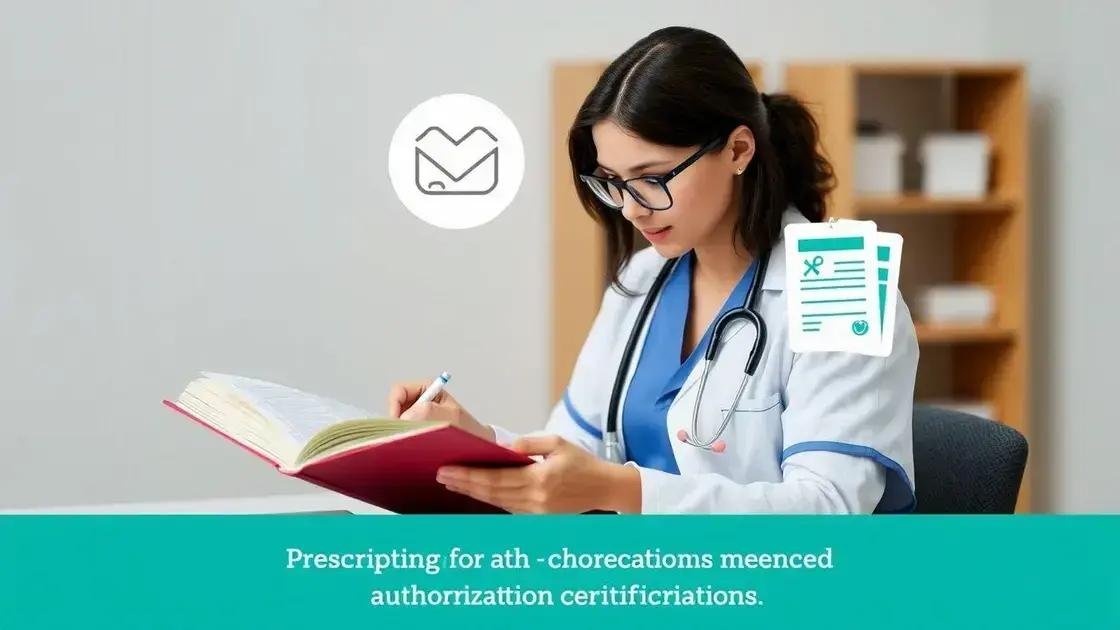
The process for becoming authorized to prescribe medication as a mental health nurse practitioner involves several essential steps. First, an individual must obtain an advanced nursing degree, such as a master’s or doctoral degree, specializing in psychiatric-mental health. This education includes rigorous coursework in pharmacology, patient assessment, and mental health treatment modalities.
Next, the nurse practitioner must acquire national certification from a board such as the American Nurses Credentialing Center (ANCC) by passing a comprehensive exam. This certification validates their competency in psychiatric mental health nursing and prepares them to prescribe medications safely.
Following certification, practitioners must also meet their state’s licensing requirements, which often include applying for prescriptive authority. Some states require submitting proof of education, certification, and supervised clinical hours focused on prescribing.
Additionally, MHNPs must complete any required registration with controlled substance monitoring programs and fulfill continuing education obligations to maintain prescribing privileges. Overall, this process ensures that MHNPs are qualified, knowledgeable, and ready to manage medications responsibly.
types of medications mental health nurse practitioners can prescribe
Mental health nurse practitioners (MHNPs) are authorized to prescribe a variety of medications tailored to treat mental health conditions. These typically include antidepressants, such as selective serotonin reuptake inhibitors (SSRIs) and serotonin-norepinephrine reuptake inhibitors (SNRIs), which help manage depression and anxiety disorders.
They also prescribe antipsychotics, used to treat disorders like schizophrenia and bipolar disorder. These medications help control symptoms such as hallucinations, delusions, and mood swings.
In addition, MHNPs can prescribe mood stabilizers like lithium or valproate, which are crucial for managing bipolar disorder. Anxiolytics and sedatives may be prescribed for short-term relief of anxiety or insomnia but usually with careful monitoring due to the potential for dependence.
Some MHNPs have authority to prescribe stimulants for attention deficit hyperactivity disorder (ADHD), including medications like methylphenidate and amphetamines. These help improve focus and reduce impulsivity.
Importantly, prescribing controlled substances requires adherence to strict regulations and close patient monitoring to ensure safe and effective treatment.
collaborative care and working with psychiatrists

Mental health nurse practitioners (MHNPs) often work closely with psychiatrists and other healthcare providers to deliver comprehensive care. Collaborative care involves sharing patient information, treatment plans, and ongoing progress to ensure that patients receive the best possible outcomes.
In many cases, MHNPs manage day-to-day patient care, including medication management and therapy, while psychiatrists provide specialized consultations for complex cases or medication adjustments. This teamwork allows for a balanced approach where each provider contributes their expertise.
Effective communication between MHNPs and psychiatrists is key to addressing mental health disorders efficiently. Regular team meetings and coordinated care plans help prevent treatment gaps and monitor patient responses closely.
Collaborative care models also improve access, especially in underserved areas, by expanding the mental health workforce. Patients benefit from a broader support network and more timely interventions.
benefits of medication management by nurse practitioners
Medication management by mental health nurse practitioners (MHNPs) offers several benefits for patients and healthcare systems. MHNPs provide personalized medication plans that are regularly monitored and adjusted based on the patient’s response and side effects. This close attention helps improve treatment effectiveness and minimize adverse reactions.
One major advantage is increased access to care. MHNPs often serve in underserved or rural areas where psychiatrists are scarce, ensuring more patients receive timely medication management. This helps reduce wait times and supports ongoing mental health treatment.
MHNPs also take a holistic approach, combining medication with counseling and lifestyle advice. Their nursing background equips them to understand patient needs beyond symptoms, providing compassionate care that addresses overall well-being.
Collaborative medication management prevents medication errors and promotes safer prescribing, benefiting patients through better adherence and reduced hospitalizations.
Overall, medication management by MHNPs enhances patient satisfaction, promotes recovery, and supports sustainable mental health care delivery.
limitations and challenges in prescribing medications

Prescribing medications as a mental health nurse practitioner (MHNP) comes with certain limitations and challenges. One major limitation is that prescribing authority varies by state and country, meaning MHNPs may face restrictions on the types or amounts of medications they can prescribe. Some regions require supervision or collaborative agreements with physicians, limiting autonomy.
Another challenge is the complexity of psychiatric medications, which often require careful monitoring for side effects, interactions, and effectiveness. MHNPs must stay current with evolving guidelines and manage risks associated with controlled substances.
There is also the risk of medication misuse or dependency, especially with anxiolytics or stimulants, requiring MHNPs to implement strict oversight and patient education. Balancing medication benefits with potential risks demands strong clinical judgment and ethical consideration.
Additionally, insurance barriers and varied patient access to medications can pose challenges in delivering consistent care. MHNPs must navigate these hurdles while advocating for patient needs and providing comprehensive treatment.
what patients should consider when treated by nurse practitioners
When being treated by a mental health nurse practitioner (MHNP), patients should be aware of several important factors. MHNPs are qualified healthcare providers with specialized training in mental health, but their scope of practice and prescribing authority may vary depending on location.
Patients should discuss openly with their MHNP about their treatment options, including medications, therapy, and lifestyle changes. Understanding the practitioner’s credentials, experience, and approach can help build trust and improve outcomes.
It’s also important for patients to know that while MHNPs manage medication and therapy, complex cases might require collaboration with psychiatrists or other specialists. Asking about this collaborative process can clarify the level of care provided.
Patients should feel empowered to ask questions about side effects, medication interactions, and alternative treatments. Regular follow-ups and honest communication contribute to safer and more effective care.
Lastly, understanding insurance coverage and potential costs associated with treatment by MHNPs can help patients plan their care with fewer surprises.
integrating medication with other mental health therapies

Integrating medication with other mental health therapies creates a balanced and effective approach to treatment. While medications can help manage symptoms such as anxiety, depression, or mood swings, combining them with therapies like cognitive-behavioral therapy (CBT), counseling, or group therapy often leads to better outcomes.
Therapies provide patients with coping skills, emotional support, and strategies to change negative thinking patterns. This combination addresses both the biological and psychological aspects of mental health conditions.
MHNPs often coordinate care by prescribing medications and referring patients to therapists or counselors for additional support. This team-based approach helps patients maintain long-term mental wellness.
Other complementary approaches may include lifestyle changes such as exercise, nutrition, and mindfulness practices, which can enhance the effectiveness of medication and reduce side effects.
Overall, integrating medication with diverse therapies offers a holistic and personalized treatment plan, promoting recovery and resilience.
legal and ethical considerations
Legal and ethical considerations are crucial for mental health nurse practitioners (MHNPs) who prescribe medication. MHNPs must abide by state and federal laws that regulate prescribing practices, including controlled substances and patient privacy protected under HIPAA. Failure to comply with these regulations can lead to legal consequences and loss of licensure.
Ethically, MHNPs must prioritize patient safety, informed consent, and confidentiality. They should provide clear information about medication benefits, risks, and alternatives, allowing patients to make informed decisions.
Maintaining professional boundaries and avoiding conflicts of interest are essential to uphold trust. MHNPs should also be vigilant about potential medication misuse or diversion and intervene appropriately.
Ongoing education about changes in laws, ethical standards, and emerging best practices ensures MHNPs provide responsible and high-quality care. Collaboration with other healthcare providers also supports ethical decision-making.
future trends in mental health nurse practitioner roles

The role of mental health nurse practitioners (MHNPs) is evolving rapidly to meet growing demands for accessible mental healthcare. Future trends indicate an expanded scope of practice, including greater prescribing authority and broader integration into primary care settings.
Advances in telehealth technology will allow MHNPs to provide remote care, reaching patients in rural or underserved areas more efficiently. This digital expansion supports continuous monitoring and timely interventions.
There is also a growing emphasis on holistic care models that combine medication management with behavioral therapies, social support, and community resources. MHNPs are expected to play a key role in multidisciplinary teams addressing mental health comprehensively.
Education and training programs are adapting to include emerging areas such as genetics, personalized medicine, and trauma-informed care, preparing MHNPs for future clinical challenges.
Overall, MHNPs will continue to be vital in improving mental health outcomes through innovation and expanded collaboration.
Understanding the role of mental health nurse practitioners
Mental health nurse practitioners play an important role in providing accessible and effective mental healthcare. Their ability to prescribe medications, combined with specialized training and collaboration, helps many patients manage their conditions better.
As regulations and healthcare delivery continue to evolve, MHNPs are expected to take on even greater responsibilities through telehealth and integrated care models. Patients treated by MHNPs benefit from a balanced approach that includes medication and therapy, tailored to their unique needs.
Knowing the legal, ethical, and practical aspects of MHNP practice empowers patients and healthcare professionals alike to make informed decisions. This ongoing evolution promises a future where mental health care is more comprehensive and available to all.
FAQ – Mental Health Nurse Practitioners and Medication Prescribing
Can mental health nurse practitioners prescribe medication independently?
It depends on the state or country. Some regions allow full independent prescribing, while others require collaboration or supervision by a physician.
What types of medications can mental health nurse practitioners prescribe?
They can prescribe antidepressants, antipsychotics, mood stabilizers, anxiolytics, stimulants, and other psychiatric medications based on their authority and training.
How do mental health nurse practitioners collaborate with psychiatrists?
They often manage day-to-day care and medication management while consulting psychiatrists for complex cases or treatment adjustments to provide comprehensive care.
What are some challenges mental health nurse practitioners face in prescribing medications?
Challenges include legal restrictions, managing complex medications safely, avoiding medication misuse, and navigating insurance and access issues.
What should patients consider when being treated by a mental health nurse practitioner?
Patients should understand the practitioner’s qualifications, treatment approach, prescribing authority, and maintain open communication about medications and therapy options.
How is the role of mental health nurse practitioners expected to change in the future?
The role will likely expand with increased prescribing rights, greater use of telehealth, broader integration into primary care, and enhanced education in emerging mental health treatments.