
Best diets for you, including keto, vegan, and Mediterranean, vary by lifestyle and goals, with keto promoting rapid fat burning, vegan focusing on plant-based nutrition, and Mediterranean offering heart-healthy balanced eating to support long-term health.
Best Diets for You can feel overwhelming with so many options out there. Ever wondered how keto, vegan, or Mediterranean diets really stack up? Let’s break them down together and see which might suit your health journey.
understanding the keto diet and its benefits
The keto diet is a low-carb, high-fat eating plan designed to shift your body into a state called ketosis, where it burns fat for energy instead of carbohydrates. By significantly reducing carbohydrate intake and increasing fat consumption, many people experience weight loss and improved energy levels.
How Ketosis Works
When you eat fewer carbs, your body produces less glucose, its usual fuel source. In response, the liver converts fats into ketones, which become the new energy source. This metabolic switch can help reduce appetite and promote fat burning.
Benefits of the Keto Diet
Weight loss is one of the most popular reasons people try keto. Many find it easier to lose fat while feeling full due to higher fat and protein intake. The diet may also boost mental clarity and focus by providing a steady fuel supply to the brain.
Additionally, some studies suggest the keto diet can improve blood sugar control and reduce insulin levels, which benefits people with type 2 diabetes or metabolic syndrome.
Potential Side Effects
Starting keto can sometimes cause the “keto flu,” which includes symptoms like headache, fatigue, and irritability as your body adjusts. Drinking plenty of water and replenishing electrolytes can ease these effects.
It’s important to maintain a balanced approach, ensuring you get enough fiber, vitamins, and minerals from keto-friendly vegetables to support overall health.
exploring the vegan diet: what to expect
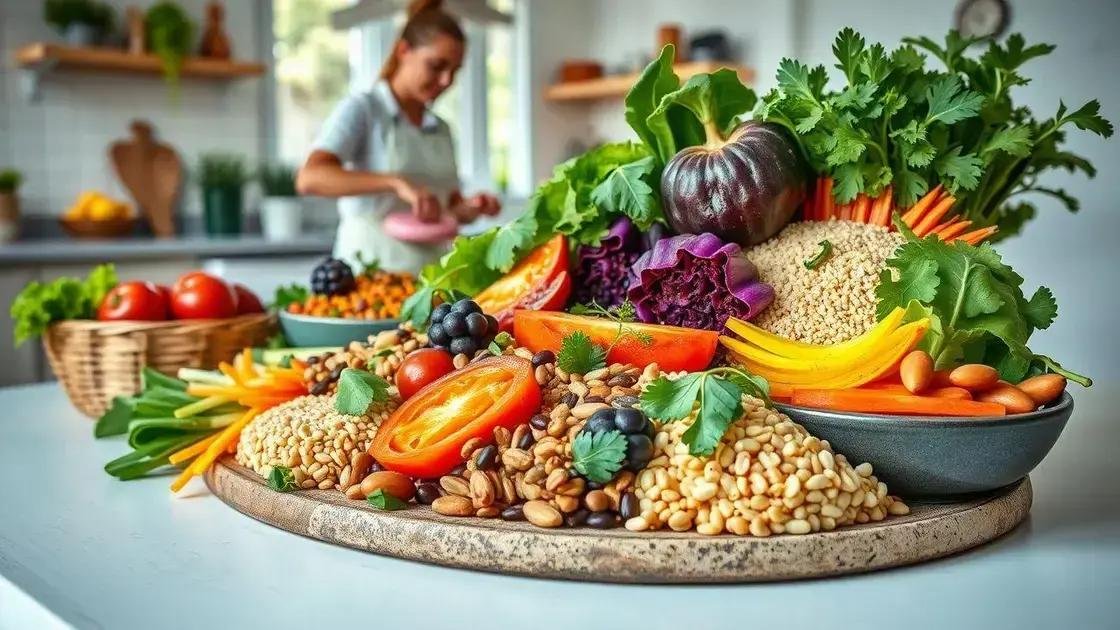
The vegan diet eliminates all animal products, focusing entirely on plant-based foods like fruits, vegetables, grains, nuts, and seeds. This diet can offer many health benefits, including lower risks of heart disease, high blood pressure, and certain cancers.
Nutritional benefits
A well-planned vegan diet is rich in fiber, vitamins, and antioxidants. It often leads to lower cholesterol levels and improved digestion. Plant-based proteins from beans, lentils, tofu, and nuts provide essential amino acids needed for muscle repair and energy.
Common challenges
Some nutrients require attention on a vegan diet, such as vitamin B12, iron, and omega-3 fatty acids. Supplements or fortified foods can help prevent deficiencies. Planning balanced meals is key to maintaining energy and overall health.
What to expect when starting
Switching to veganism might take time as you explore new recipes and food alternatives. Many people notice increased energy and weight management benefits. However, it’s important to focus on whole foods rather than processed vegan products for the best results.
mediterranean diet explained: a heart-healthy choice
The Mediterranean diet emphasizes whole, natural foods like fruits, vegetables, whole grains, nuts, and olive oil. It’s known for being heart-healthy and rich in antioxidants, healthy fats, and fiber. This lifestyle also includes moderate consumption of fish, poultry, and dairy, with limited red meat and sweets.
Heart health benefits
Research shows that following the Mediterranean diet can reduce the risk of heart disease and stroke. The healthy fats, especially omega-3 fatty acids from fish and olive oil, help lower bad cholesterol (LDL) while raising good cholesterol (HDL).
Other health advantages
The diet’s high fiber content supports digestion and helps maintain healthy blood sugar levels. It may also improve brain health, reduce inflammation, and support weight management.
How to follow the Mediterranean diet
Focus on adding plenty of colorful vegetables, fresh fruits, legumes, and nuts to your meals. Use olive oil as your primary fat source and enjoy fish a few times a week. Limit processed foods and sugars while savoring meals with family and friends, which is part of the Mediterranean lifestyle.
comparing weight loss potential across diets
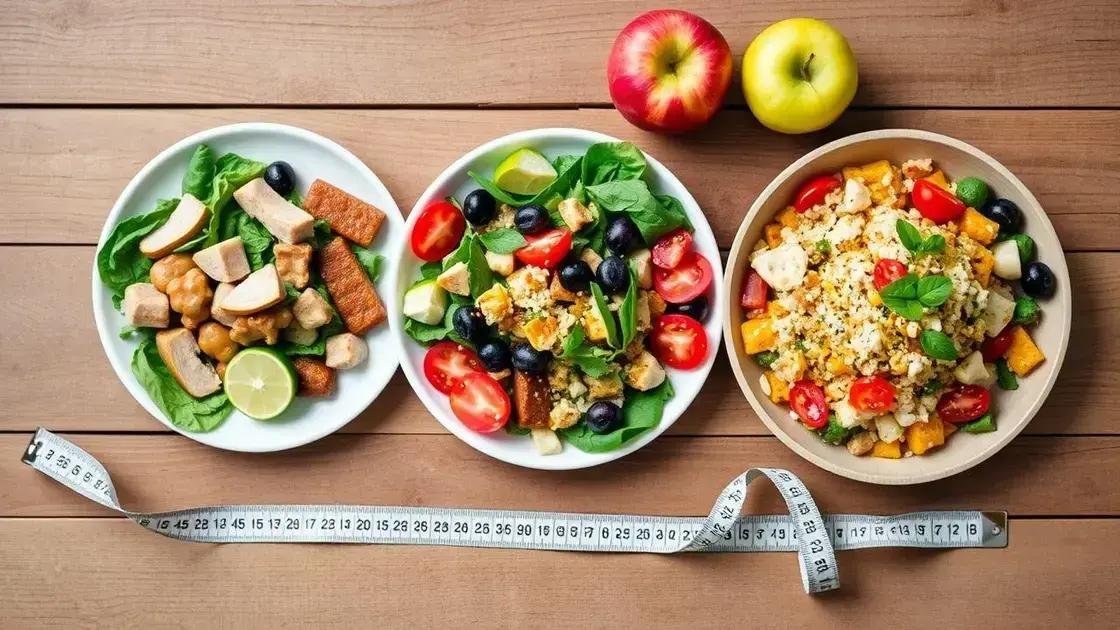
When comparing weight loss potential across the keto, vegan, and Mediterranean diets, it’s important to consider how each approach affects metabolism and appetite. The keto diet promotes rapid weight loss by shifting the body into fat-burning mode, which can lead to quick initial results.
Vegan diet and weight loss
The vegan diet tends to be lower in calories and fat, focusing on nutrient-dense plant foods. This can help create a calorie deficit, supporting gradual and sustainable weight loss.
Mediterranean diet and weight management
The Mediterranean diet encourages balanced eating with healthy fats and whole foods, which may lead to steady weight loss while improving heart health. The social and mindful eating aspects also contribute to better portion control.
Factors influencing effectiveness
Regardless of the diet, individual results vary based on adherence, lifestyle, and personal metabolism. Combining diet with regular physical activity enhances weight loss potential on any plan.
how to choose a diet that fits your lifestyle
Choosing a diet that fits your lifestyle involves assessing your daily habits, food preferences, and health goals. The key is to find a plan you can maintain long-term, rather than following a strict, short-term trend.
Consider your routine and schedule
If you have a busy lifestyle, a diet that requires extensive meal prep might be hard to sustain. In this case, options like the Mediterranean diet or a flexible vegan plan with simple recipes can work well.
Think about your food preferences
Enjoying your meals is vital to sticking with a diet. If you dislike certain food groups, a restrictive diet may not be ideal. For example, keto may be tough if you don’t like high-fat foods, while veganism requires avoiding all animal products.
Health goals and medical conditions
Some diets may better address specific health issues. The Mediterranean diet supports heart health, veganism can help with inflammation, and keto may benefit blood sugar control. Always consult a healthcare provider before making major changes.
Flexibility and social life
Consider how a diet fits with social meals and cultural traditions. A more flexible diet may reduce stress around eating with friends and family.
Ultimately, the best diet for you is one that balances your health needs, tastes, and lifestyle priorities.
common challenges and tips for sticking to your diet
 Sticking to any diet can be challenging due to various factors such as cravings, social situations, and lifestyle habits. Understanding common hurdles helps you prepare and stay on track. Planning high-protein and fiber-rich meals helps keep you full longer and reduces cravings. Drinking water and healthy snacks can also manage hunger. Preparing in advance by eating before events or bringing diet-friendly options allows you to enjoy time with others without breaking your plan. Varying your diet, increasing physical activity, and tracking your food intake can help overcome these stalls. Setting realistic goals and celebrating small victories maintains motivation. Connecting with supportive communities or a coach provides encouragement and accountability. Remember, flexibility and patience are key—it’s normal to face challenges, and adjusting your approach can lead to lasting success.
Choosing and Sticking to the Best Diet for You
Finding the right diet depends on your lifestyle, preferences, and health goals. Whether it’s keto, vegan, or Mediterranean, each diet offers unique benefits and challenges.
Understanding common obstacles like cravings or social pressures can help you stay committed. Remember, flexibility and patience are important as you adjust to new habits.
By setting realistic goals and making thoughtful choices, you can find a sustainable way to eat that supports your health and happiness in the long term.
FAQ – Common Questions About Choosing and Sticking to Diets
What is the key to successfully sticking to a diet?
The key is planning balanced meals, managing cravings, and staying flexible while setting realistic goals to maintain motivation.
How can I handle social events while following a diet?
Preparing in advance by eating before events, bringing diet-friendly options, or focusing on portion control helps you enjoy social settings without breaking your diet.
Are there any common side effects when starting diets like keto or vegan?
Yes, some people experience symptoms like fatigue or cravings when starting a new diet. Staying hydrated, eating balanced meals, and replenishing nutrients can ease these effects.
How do I choose a diet that fits my lifestyle?
Consider your daily routine, food preferences, health goals, and social life. Choose a diet that you enjoy and can maintain long-term without stress.
Can all diets help with weight loss?
Yes, but effectiveness varies based on how well you stick to the diet, your metabolism, and lifestyle habits like physical activity.
Should I consult a professional before starting a new diet?
It’s always best to consult with a healthcare provider or nutritionist to ensure the diet meets your individual health needs and conditions.