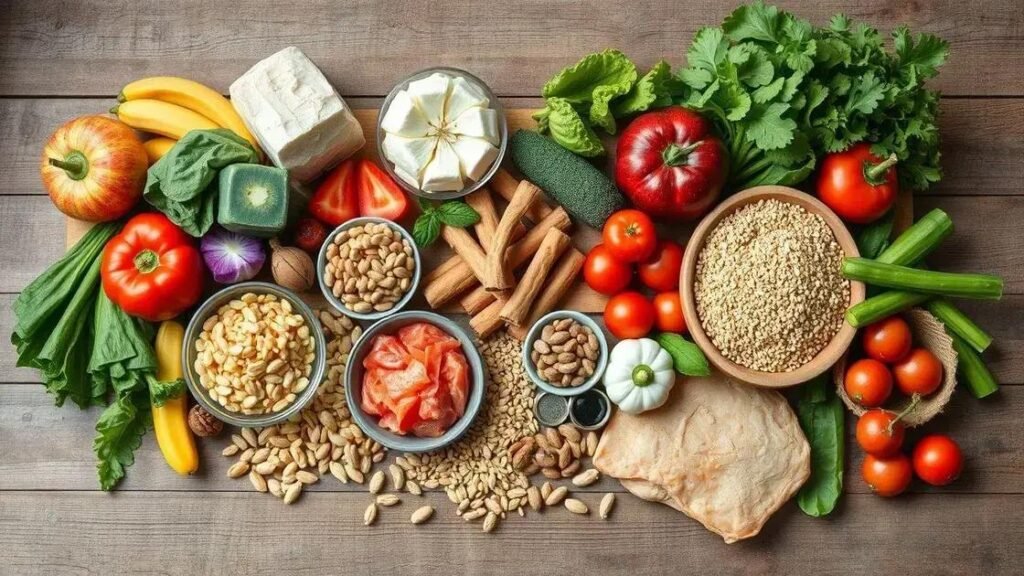
A balanced diet provides essential nutrients through varied foods like fruits, vegetables, whole grains, lean proteins, and healthy fats, combined with proper hydration and portion control to support long-term health and sustainable eating habits.
Have you ever wondered how a balanced diet really works for your body every day? It’s not about strict rules but knowing practical ways to nourish yourself for the long haul. Let’s explore simple tips that can change how you eat for lasting health.
understanding what makes a balanced diet
A balanced diet includes a variety of foods in the right amounts to provide the nutrients your body needs to function well. It means eating different types of foods like fruits, vegetables, whole grains, proteins, and healthy fats. Each group offers essential vitamins, minerals, and energy. For example, fruits and vegetables supply important antioxidants and fiber, while proteins help build and repair tissues.
It’s also important to understand portions. Eating too much of even healthy foods can lead to unwanted weight gain. Aim to fill half your plate with colorful vegetables and fruits, one-quarter with lean proteins, and one-quarter with whole grains. Incorporate healthy fats like olive oil or nuts in moderation to support heart health.
Key components of a balanced diet
- Fruits and vegetables: Rich in vitamins, minerals, and fiber.
- Whole grains: Provide energy and important nutrients like B vitamins and iron.
- Proteins: Includes lean meats, beans, and nuts for muscle repair and growth.
- Healthy fats: Essential for brain function and hormone production.
- Water: Hydrates and helps the body absorb nutrients.
Understanding how these parts work together can help you make better food choices every day. It’s not about strict rules but learning what your body really needs to stay strong and energized.
planning meals for long-term health

Planning meals for long-term health means choosing foods that provide consistent energy and essential nutrients day after day. Start by creating a weekly meal plan that balances proteins, whole grains, fruits, and vegetables. This helps avoid last-minute unhealthy choices and keeps your diet on track.
Focus on variety and balance
Include different food groups in each meal to ensure you get a wide range of nutrients. For example, pair brown rice with grilled chicken and steamed broccoli. Variety helps prevent nutrient deficiencies and keeps meals interesting.
Prepare meals ahead of time
Batch cooking and meal prepping can save time and reduce stress. Cook large portions of staples like quinoa or roasted vegetables, then portion them out for the week. This makes it easier to stick to healthy options even on busy days.
Be mindful of portion sizes and timing
Eating smaller, frequent meals keeps your metabolism steady and prevents overeating. Use smaller plates and listen to your body’s hunger signals. Avoid skipping meals to maintain stable energy levels throughout the day.
Planning also means being realistic and flexible. Allow occasional treats and variety to prevent burnout. Maintaining this balance supports not just physical health but also long-term adherence to a balanced diet.
choosing nutrient-rich foods
Choosing nutrient-rich foods is key to maintaining a balanced diet that supports your body’s needs. These foods offer a high amount of vitamins, minerals, and other beneficial substances without too many calories. Focus on whole, minimally processed options to maximize nutrition.
Types of nutrient-rich foods to include
- Fruits and vegetables: Packed with antioxidants, fiber, and essential vitamins like Vitamin C and A.
- Whole grains: Provide complex carbohydrates, fiber, and B vitamins to fuel your body.
- Lean proteins: Sources such as chicken, fish, beans, and legumes provide essential amino acids for muscle repair and growth.
- Healthy fats: Found in foods like avocados, nuts, seeds, and olive oil, these fats help with brain function and hormone production.
- Dairy or alternatives: Rich in calcium, vitamin D, and protein for strong bones and teeth.
When shopping or preparing meals, prioritize fresh and natural foods over processed ones. Read labels to avoid added sugars, excessive sodium, and unhealthy fats. Eating a range of colors on your plate also ensures a diversity of nutrients, which can improve overall health and energy levels.
overcoming common diet challenges

Many people face challenges when trying to maintain a balanced diet. Common obstacles include cravings, busy schedules, and lack of motivation. Understanding these challenges is the first step to overcoming them.
Managing cravings and emotional eating
Cravings often stem from stress or habits. To manage them, try keeping healthy snacks like nuts or fruits nearby. Drinking water and practicing mindful eating can help reduce urges to overeat.
Dealing with a busy lifestyle
When time is tight, planning meals ahead can prevent unhealthy choices. Batch cooking and using simple recipes save time without sacrificing nutrition. Preparing lunches the night before means you always have a healthy option ready.
Staying motivated and consistent
Set small, achievable goals to build habits gradually. Tracking progress or joining support groups can offer encouragement. Remember, a few slip-ups don’t erase your efforts—it’s about steady progress.
Recognizing these challenges and adopting practical strategies lets you stay on track with your nutrition. With patience and persistence, maintaining a healthy, balanced diet becomes easier and more natural.
the role of hydration and portion control
Hydration and portion control play a crucial role in maintaining a balanced diet. Drinking enough water helps your body absorb nutrients, regulate temperature, and stay energized. Aim for at least 8 glasses a day, and increase intake when active or in hot weather.
The importance of hydration
Water supports every function in your body, including digestion and brain performance. Sometimes, thirst can be mistaken for hunger, leading to overeating. Staying well-hydrated can help control appetite and improve focus.
Mastering portion control
Portion control prevents overeating and helps maintain a healthy weight. Use smaller plates and bowls to naturally reduce serving sizes. Pay attention to hunger and fullness cues instead of eating out of habit.
Try measuring servings using common objects—like a fist for a cup or a thumb for a tablespoon—to get a better sense of appropriate portions. Being mindful at meals helps you enjoy food without excess.
Balancing hydration and portion sizes creates healthy habits that support long-term wellbeing. Together, they improve digestion, control calorie intake, and sustain energy throughout the day.
tips from nutritionists for sustainable eating habits

Nutritionists often emphasize simple yet effective tips for maintaining sustainable eating habits. These strategies focus on creating a lifestyle that supports health without feeling restrictive.
Focus on whole, natural foods
Choose fresh fruits, vegetables, whole grains, lean proteins, and healthy fats. Minimizing processed foods reduces added sugars, unhealthy fats, and excess sodium.
Practice mindful eating
Pay attention to hunger and fullness cues. Eat slowly and savor your food to improve digestion and prevent overeating.
Plan meals and snacks
Preparing balanced meals ahead helps maintain consistency and prevents impulsive, unhealthy choices. Keep healthy snacks available to avoid reaching for processed options.
Stay flexible and patient
Allow yourself occasional treats and understand that perfection isn’t the goal. Sustainable habits develop over time through small, consistent changes.
Nutritionists recommend combining these tips with regular physical activity and hydration to support a balanced diet and overall wellbeing.
Building a healthy lifestyle with a balanced diet
Maintaining a balanced diet is about making practical choices that support your health over time. By understanding what makes a balanced diet, planning meals, and choosing nutrient-rich foods, you set a strong foundation.
Overcoming common challenges, staying hydrated, and controlling portions help keep you on track. Listening to expert tips from nutritionists can guide you to create habits that last.
Remember, small changes add up. With patience and consistency, a balanced diet becomes a natural part of your daily life, helping you feel your best every day.
FAQ – Common Questions About Building a Balanced Diet
What is a balanced diet and why is it important?
A balanced diet includes a variety of foods in the right amounts to provide essential nutrients your body needs for energy, growth, and overall health.
How can I plan meals to support long-term health?
Planning meals with a mix of proteins, whole grains, fruits, and vegetables and prepping in advance can help maintain consistent healthy eating habits.
What are nutrient-rich foods and how do I choose them?
Nutrient-rich foods are packed with vitamins, minerals, and other beneficial nutrients without added sugars or unhealthy fats. Focus on fresh fruits, vegetables, whole grains, lean proteins, and healthy fats.
How do I overcome common challenges in sticking to a balanced diet?
Manage cravings with healthy snacks, plan meals to save time, and stay motivated by setting small goals and being flexible with occasional treats.
Why is hydration important alongside a balanced diet?
Drinking enough water helps your body absorb nutrients, maintain energy, and control appetite, making hydration a key part of healthy eating.
What tips do nutritionists recommend for sustainable eating habits?
They suggest focusing on whole foods, practicing mindful eating, planning meals, and being patient to create long-lasting, healthy habits.