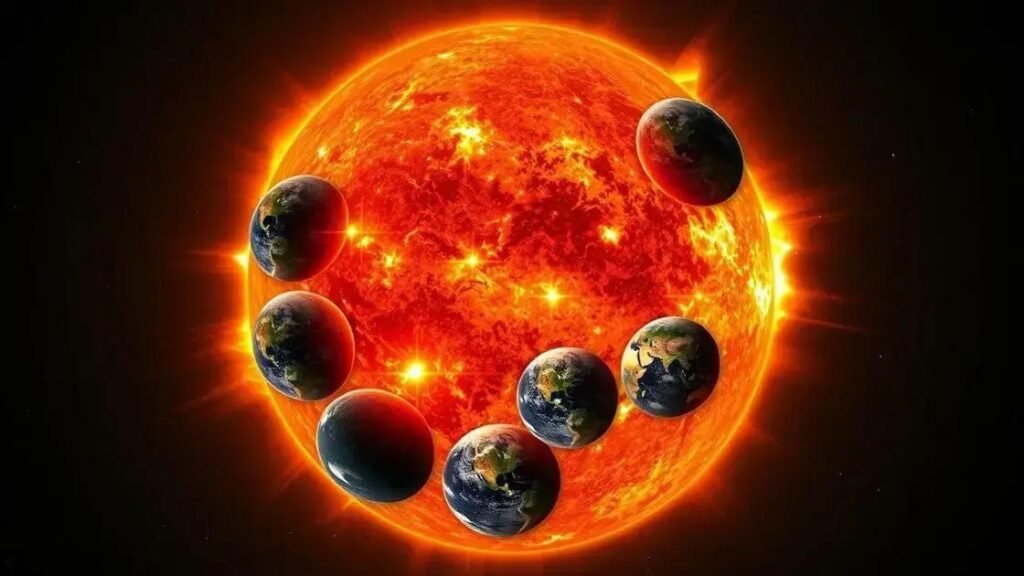
Approximately 1.3 million Earths can fit inside the sun, as it is about 109 times wider in diameter and has a volume 1.3 million times greater than Earth.
Have you ever wondered how many Earths in the Sun could fit side by side? It’s a question that opens a window to the mind-blowing scale of our solar system. Let’s dive into this cosmic comparison together.
understanding the size of the sun
The sun is a massive star at the center of our solar system, and understanding its size helps us grasp the scale of space. It’s a huge ball of hot plasma with a diameter of about 1.39 million kilometers, which is roughly 109 times the diameter of Earth. This size means the sun is not just big — it’s overwhelmingly vast compared to our planet.
measuring the diameter of the earth
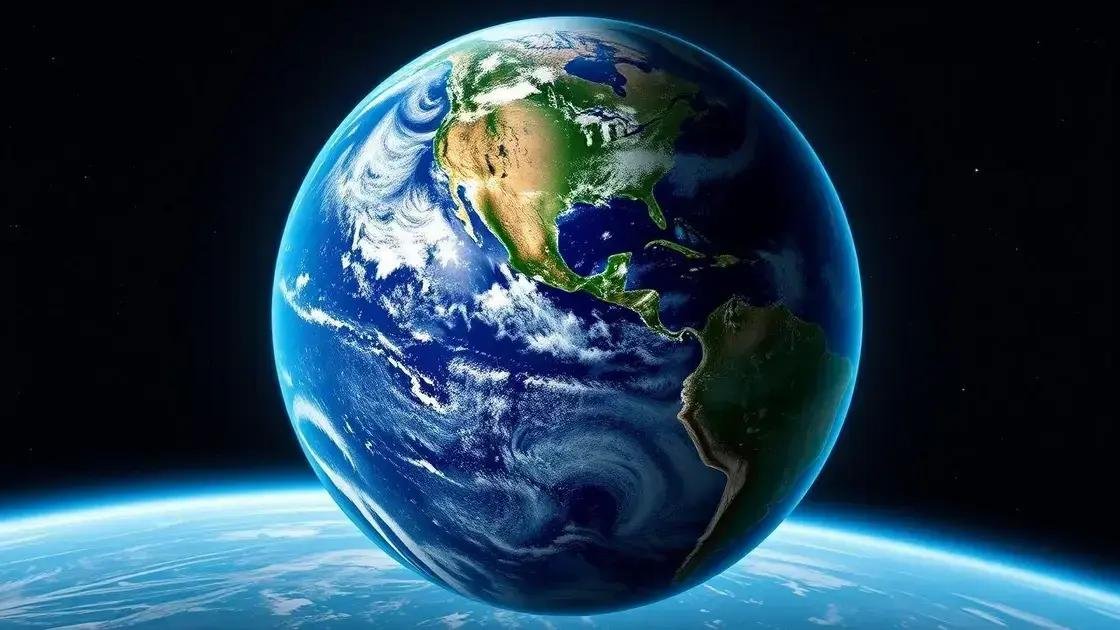 The diameter of the Earth is the distance across the planet through its center. It measures about 12,742 kilometers, making Earth one of the larger rocky planets in our solar system. This measurement is important for understanding Earth’s size compared to other celestial bodies like the sun. Historically, ancient astronomers used simple geometry and observations of shadows during eclipses to estimate Earth’s size. Today, we use more precise methods like satellite data and laser ranging, which provide extremely accurate measurements. Earth’s diameter helps scientists calculate the planet’s volume and surface area. This information is essential for tasks like understanding gravity, climate models, and even planning space missions. It also helps us compare Earth to the sun and other planets to see just how tiny or huge they really are. Accurate diameter measurements support navigation systems like GPS and help scientists monitor changes such as tectonic shifts or rising sea levels, which affect the planet’s shape subtly over time.
comparing the volume of earth and sun
The volume of the sun is vastly greater than that of Earth. The sun’s volume is about 1.41 x 10¹⁸ cubic kilometers, while Earth’s volume is approximately 1.08 x 10¹² cubic kilometers. This means the sun’s volume is roughly 1.3 million times bigger than Earth’s. When we compare volumes, we get a better picture of how much space each object occupies. The massive difference in volume between the sun and Earth explains why the sun dominates the solar system’s gravity and energy output. Imagine placing about 1.3 million Earths inside the sun like tiny spheres filling a huge ball. This visualization helps us grasp the incredible size gap beyond just numbers and measurements. Understanding this volume relationship also highlights why the sun’s energy reaches Earth and supports life, while Earth’s size limits its gravitational pull and atmosphere.
how many earths fit across the sun’s diameter
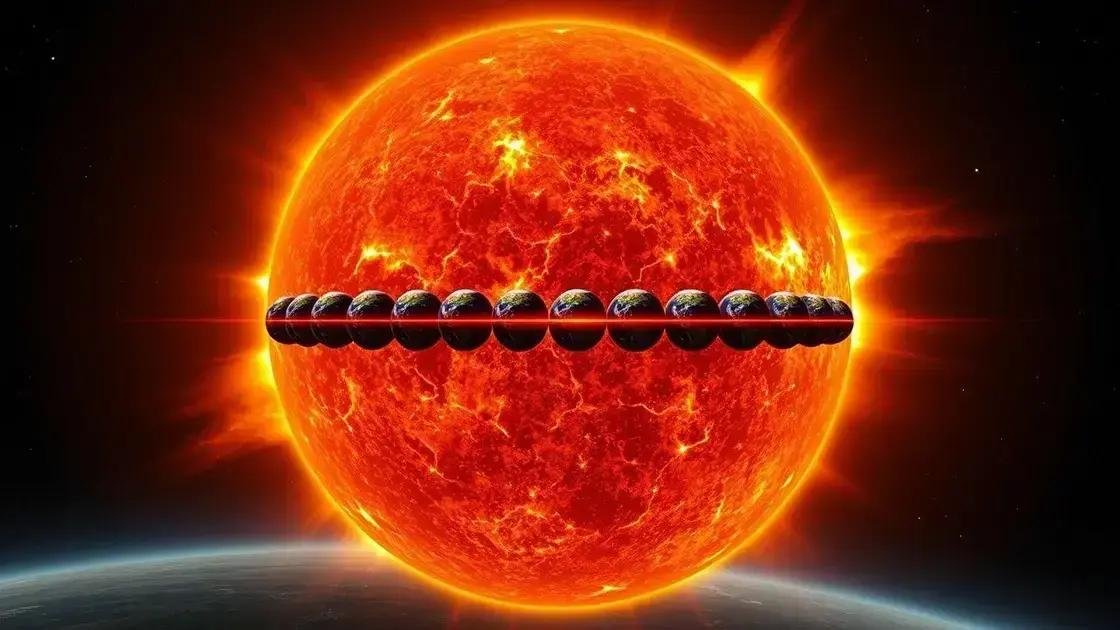
The diameter of the sun is roughly 1.39 million kilometers, while Earth’s diameter is about 12,742 kilometers. When we compare these sizes, it turns out that approximately 109 Earths can line up across the sun’s diameter.
Visualizing the comparison
Imagine placing 109 Earths side by side in a straight line. This line would stretch all the way across the sun from one side to the other. This comparison highlights just how massive the sun is compared to our planet.
Why this matters
Understanding how many Earths fit across the sun’s diameter helps us appreciate the scale difference between the two. It also explains why the sun’s gravity is so strong and why it provides such an immense amount of energy and light to the solar system.
This simple number helps us grasp the vastness of space and the relative size of planets compared to stars like the sun.
visualizing the difference in scale
Visualizing the size difference between the sun and Earth helps make abstract numbers easier to understand. The sun is so big that you could fit about 1.3 million Earths inside it. This sheer difference shows how small our planet is compared to the star that powers life here. Using models and comparisons Scientists and educators often use models to represent the sun and Earth. For example, if the sun were a large beach ball, Earth would be a tiny marble next to it. This scale model makes the vast difference more relatable and easier to picture. Why scale matters Understanding this scale helps us grasp how much energy the sun produces and how its size affects gravity and climate. It also puts space distances into perspective, helping us understand the vast emptiness between planets. Visual tools and animations are often used to help students and enthusiasts appreciate these differences, making learning about our solar system more engaging and meaningful.
the sun’s volume in cubic kilometers
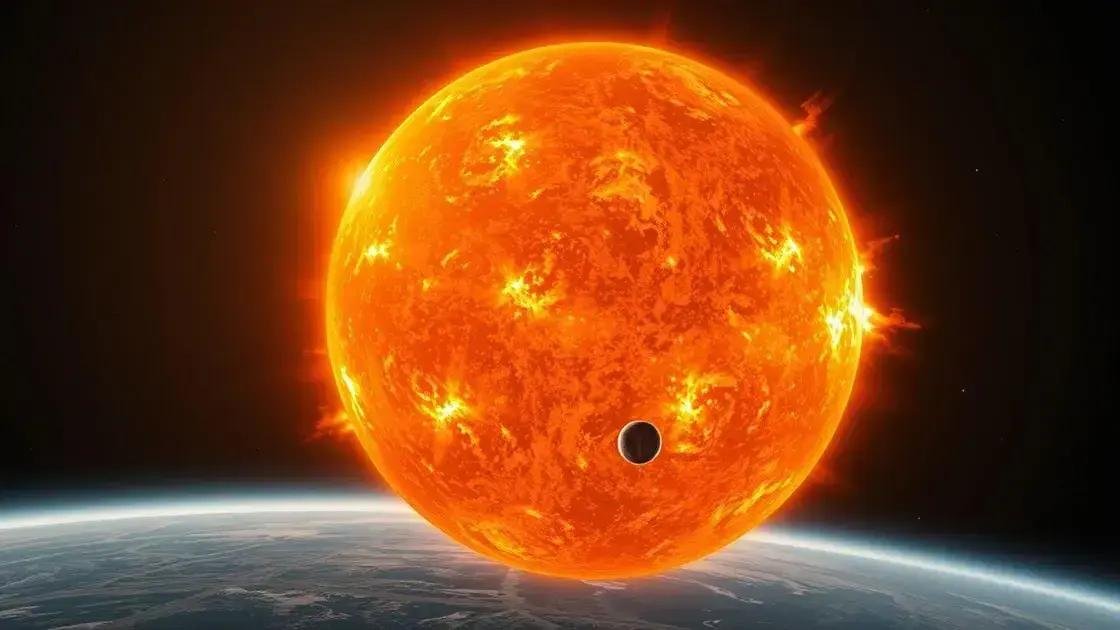
The sun’s volume is about 1.41 x 10¹⁸ cubic kilometers, making it the largest object in our solar system. This enormous volume means the sun can contain around 1.3 million Earths inside it. Understanding this volume helps us comprehend the sun’s capacity to produce energy.
Calculating the sun’s volume
The sun is nearly a perfect sphere, so astronomers calculate its volume using the formula for the volume of a sphere: 4/3 × π × radius³. With a radius of approximately 695,700 kilometers, this results in the massive volume it holds.
Why the sun’s volume matters
The huge volume of the sun enables it to hold vast amounts of hot plasma and fuel nuclear fusion reactions that emit tremendous energy. This energy supports life on Earth and drives weather and climate systems.
Considering the sun’s volume also helps scientists in understanding stellar lifecycles and comparing the sun to other stars in the universe.
the concept of scale in astronomy
The concept of scale in astronomy helps us understand the vast differences in size and distance between objects in space. It allows us to compare planets, stars, and galaxies in a way that makes their enormous sizes easier to grasp. Scale informs how we measure distances and sizes in space, which are often beyond everyday human experience. By using units like kilometers, light-years, and astronomical units, astronomers communicate the immense gaps and sizes meaningfully. Models, animations, and comparisons, such as imagining the sun as a giant ball and Earth as a small marble, help make abstract numbers tangible. These tools help people appreciate the incredible vastness of space and the relative size of different celestial bodies. Understanding scale also impacts space exploration, as it informs travel time, spacecraft design, and mission planning.
why size comparison matters
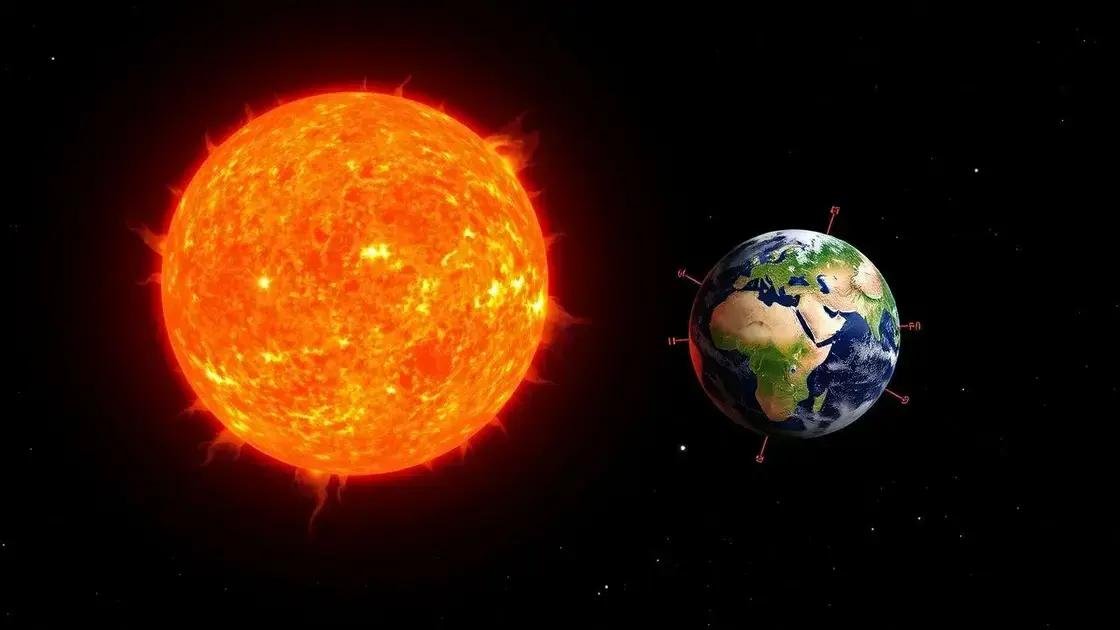 Size comparison helps us understand the relationship between different objects in space. By comparing Earth’s size to the sun, we realize how massive the sun really is, which affects everything from gravity to energy output. The sun’s large size means it has a powerful gravitational pull that keeps planets in orbit. This gravity is also linked to the sun’s ability to produce huge amounts of energy through nuclear fusion, which supports life on Earth. Comparing sizes helps scientists plan space missions and understand challenges related to distance and scale. It also improves our knowledge of celestial bodies and their impacts on the solar system. Size comparison makes abstract space facts easier to grasp, turning complex data into clear, relatable concepts for students and space enthusiasts alike.
other planets compared to the sun
When comparing other planets to the sun, we see an enormous size difference. The sun is by far the largest object in our solar system, with a diameter about 109 times that of Earth. This size dwarfs all the planets combined. Jupiter, the largest planet in the solar system, is around 11 times the diameter of Earth, but still only about one-tenth the diameter of the sun. Mercury, the smallest planet, is less than half the size of Earth. The sun’s massive size means it holds 99.8% of all the mass in the solar system. This gives it the strong gravitational pull that keeps planets in orbit and powers the solar system’s energy. Comparing planets to the sun reveals how tiny the worlds we live on are in the grand scheme of our solar system.
the sun as a star
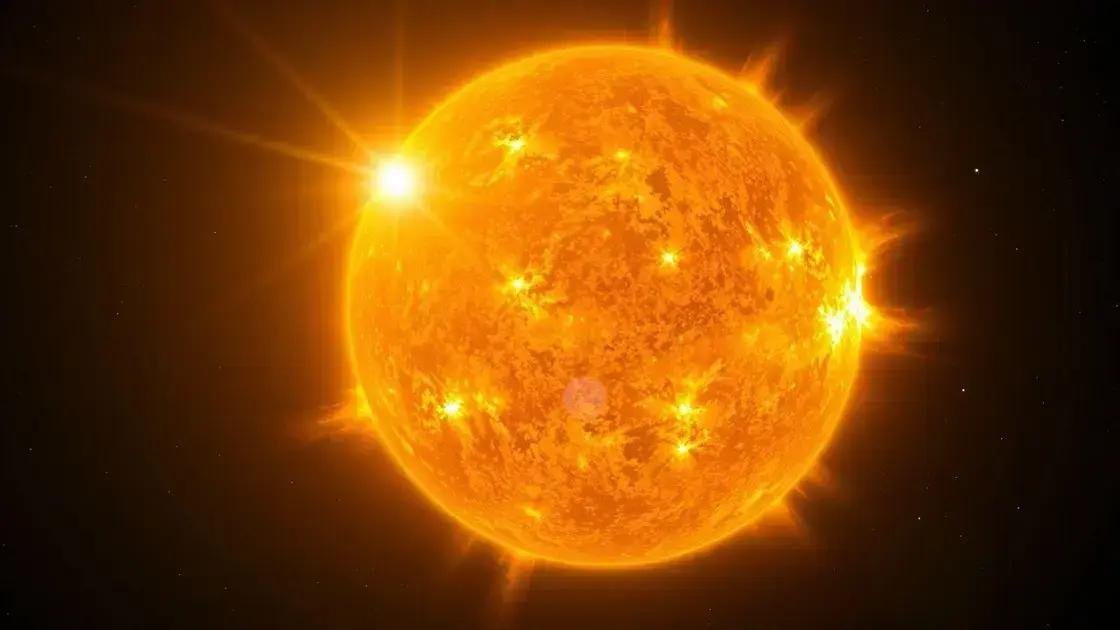 The sun is a medium-sized star located at the center of our solar system. It is classified as a G-type main-sequence star, also known as a yellow dwarf. Like other stars, the sun produces energy through nuclear fusion, where hydrogen atoms combine to form helium, releasing vast amounts of light and heat. The sun’s size is average compared to other stars in the galaxy, but it is still enormous compared to Earth and other planets. Its diameter is about 1.39 million kilometers, and it weighs roughly 330,000 times more than Earth. The sun is about 4.6 billion years old and is currently in the middle of its lifecycle. After exhausting its hydrogen fuel, it will expand into a red giant and eventually shrink into a white dwarf, a process that will take billions of years. Understanding the sun as a star helps us learn more about stars in the universe and the forces that govern them.
how solar energy relates to size
The sun’s immense size directly influences the amount of solar energy it produces. Because the sun is so large, it has a vast surface area where nuclear fusion reactions occur, releasing tremendous energy as light and heat. Solar energy comes from the sun’s core, where hydrogen atoms fuse to form helium. This process releases energy that travels outward and reaches Earth, powering life and climate systems. The sun’s size means it emits enough energy to support life on our planet. Without this massive energy source, Earth would be too cold and lifeless. The size also determines how much energy reaches different parts of the solar system, affecting planetary climates and conditions. Understanding how solar energy relates to the sun’s size helps us appreciate the power behind sunlight and the role of our star in sustaining the solar system.
implications for space exploration
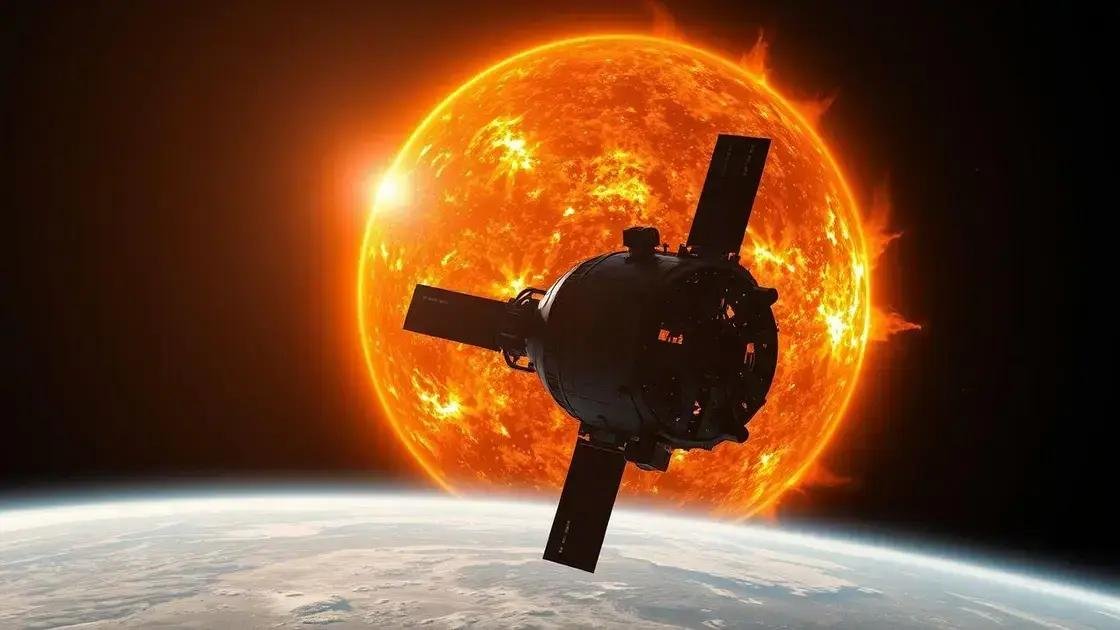
The vast size difference between Earth and the sun has key implications for space exploration. The sun’s immense gravity influences spacecraft trajectories and mission designs within the solar system.
Planning missions with scale in mind
Understanding the sun’s size and gravity helps mission planners calculate fuel needs and travel time for probes and satellites. It also guides decisions on safe distances from the sun to avoid extreme heat and radiation.
Challenges due to the sun’s size
The sun’s powerful radiation and solar winds create hazards for equipment and astronauts. Engineers must design spacecraft with protective materials and ensure systems can withstand conditions caused by the sun’s large energy output.
Accurate measurements of the sun’s size support the development of navigation tools and improve the safety and success of interplanetary missions.
myths about the size of the sun
There are many myths about the size of the sun that often confuse people. One common myth is that the sun is just a little bigger than Earth, but the reality is the sun is about 109 times wider than Earth across its diameter. Another myth claims the sun is solid like Earth, but the sun is actually a massive ball of hot plasma with no solid surface. Its vast size comes from this gas and plasma state, extending far beyond what we can see. Some also believe the sun’s size changes greatly, but the sun’s size remains fairly constant over long periods. It does change slightly due to solar cycles but not drastically enough to affect its size significantly. Understanding the true size of the sun helps dispel myths and inspires curiosity about astronomy. Accurate knowledge also supports scientific studies and space missions.
fascinating facts about the sun’s size
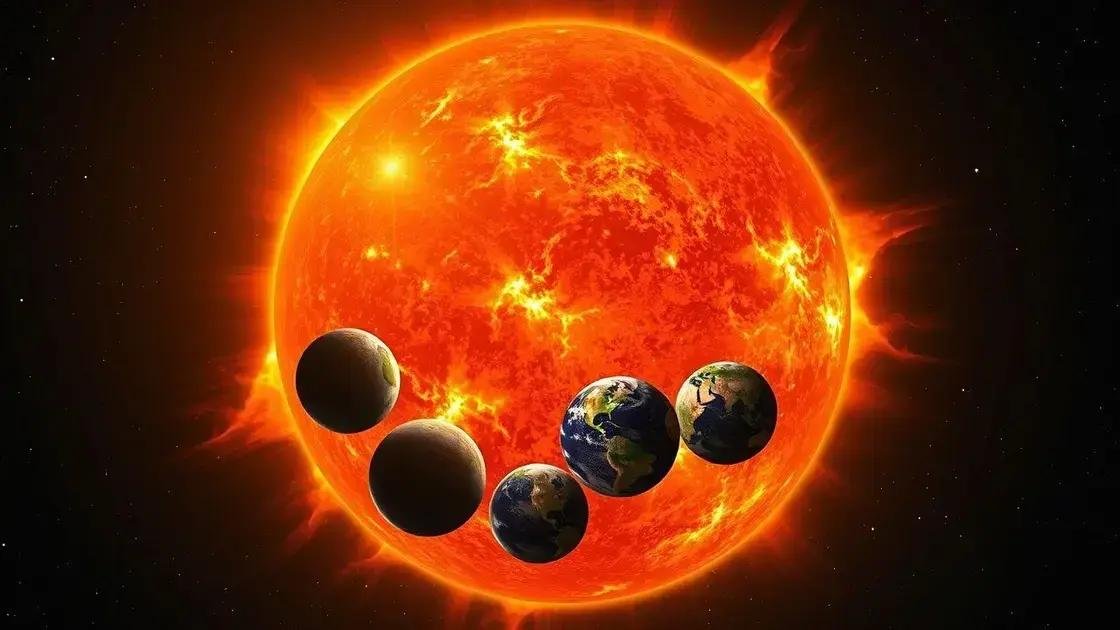 The sun is full of fascinating facts, especially when it comes to its size. It’s so massive that about 1.3 million Earths could fit inside it. This shows just how gigantic our star really is. The sun’s diameter is about 1.39 million kilometers, which means you could line up 109 Earths across its face. Despite this size, the sun is actually considered a medium-sized star in the universe. The large size of the sun allows it to sustain nuclear fusion for billions of years, producing the energy that lights and warms our planet every day. Additionally, the sun’s size fluctuates slightly with solar cycles, but these changes are very small compared to its overall diameter.
Understanding the vastness of the sun
The size of the sun compared to Earth is truly mind-blowing. Knowing that around 1.3 million Earths could fit inside the sun helps us appreciate the scale of our solar system.
This knowledge deepens our curiosity about space and the powerful forces that shape our universe. From energy production to gravity, the sun’s enormous size plays a crucial role in sustaining life and driving celestial mechanics.
By exploring these facts, we gain a better understanding of our place in the cosmos and the amazing scale of the world beyond our planet.
FAQ – Common Questions About the Size of the Sun
How many Earths can fit inside the sun?
Approximately 1.3 million Earths could fit inside the sun based on volume comparison.
Why is the sun much larger than Earth?
The sun is a massive ball of hot plasma undergoing nuclear fusion, making it about 109 times wider in diameter and much more voluminous than Earth.
Does the sun’s size change over time?
The sun’s size remains fairly constant, with only very slight fluctuations during solar cycles that don’t significantly affect its overall diameter.
How does the sun’s size affect Earth?
The sun’s large size allows it to produce the energy and gravity needed to support life and keep Earth in orbit.
Are other planets closer in size to Earth or the sun?
Most planets are much smaller than the sun. For example, Jupiter, the largest planet, is about one-tenth the diameter of the sun.
Why is understanding the sun’s size important?
Knowing the sun’s size helps scientists understand solar energy, gravity, and space exploration challenges, and helps explain our place in the solar system.