
Mental health nurse practitioners can prescribe medication depending on their education, certification, and local laws, often collaborating with physicians and focusing on holistic patient care.
Can mental health nurse practitioner prescribe medication? It’s a common question for anyone navigating mental health care options. The rules aren’t the same everywhere, and understanding how these nurses work can help you make informed decisions about your treatment.
understanding the role of mental health nurse practitioners
Mental health nurse practitioners (MHNPs) are advanced practice registered nurses specialized in providing mental health care. They assess, diagnose, and treat individuals with psychiatric disorders. MHNPs often conduct therapy sessions and develop treatment plans tailored to their patients’ needs. Unlike general nurses, MHNPs have advanced training in mental health conditions and psychotropic medications. They work closely with psychiatrists, psychologists, and other healthcare professionals to ensure comprehensive care. Their role also involves patient education, helping individuals understand their conditions and manage symptoms effectively. MHNPs promote mental wellness by addressing both psychological and social factors influencing health. In many settings, MHNPs serve as primary mental health providers, especially where psychiatrists are scarce. Their presence increases access to timely care and supports ongoing management of chronic mental health conditions.
legal authority for prescribing medication

The legal authority for mental health nurse practitioners to prescribe medication varies widely depending on the country and state laws. In many regions, nurse practitioners (NPs) must have specific licenses that grant them prescribing rights. These laws define the types of medications they can prescribe and any limits to their practice.
Some states offer full prescribing authority, allowing NPs to independently prescribe controlled substances and psychotropic medications. Other areas require collaboration or supervision by a psychiatrist or physician for certain prescriptions.
Scope of Prescribing Rights
The scope typically includes antidepressants, antipsychotics, mood stabilizers, and anxiolytics. However, the procedures and regulations must be strictly followed to ensure patient safety and adherence to laws.
MHNPs must complete additional certifications and continuing education to maintain their prescribing privileges. Licensure boards monitor compliance and can revoke prescribing rights if standards are not met.
Understanding these regulations is essential for both practitioners and patients to navigate mental health treatments securely and legally.
variations in prescribing rights by location
Prescribing rights for mental health nurse practitioners (MHNPs) vary significantly by location, reflecting differences in state, provincial, and national regulations. Some regions grant full practice authority, allowing MHNPs to prescribe independently without physician oversight. In contrast, other areas require collaborative agreements or direct supervision by a licensed physician. For example, in the United States, states like Oregon and Arizona allow full prescriptive authority, while others like Texas impose restrictions on prescribing controlled substances. Similarly, Canada has varied regulations between provinces, with some allowing more autonomy than others. These variations depend on the local healthcare system’s structure, legislative priorities, and workforce availability. Areas with physician shortages often relax restrictions to improve patient access to mental health care. Patients should be aware of the laws applicable in their region, as these impact the availability and type of care they receive from MHNPs. Understanding these differences can help patients advocate for comprehensive treatment options and navigate their care effectively.
requirements to become a prescribing mental health nurse practitioner
 To become a prescribing mental health nurse practitioner (MHNP), individuals must meet several educational and licensing requirements. Typically, a registered nurse (RN) must complete a graduate degree in nursing, such as a Master of Science in Nursing (MSN) or a Doctor of Nursing Practice (DNP), with a specialization in psychiatric-mental health. Certification is essential and generally involves passing a national exam, such as those offered by the American Nurses Credentialing Center (ANCC) for psychiatric-mental health nurse practitioners. This validates their expertise in mental health care. After certification, NPs must obtain state licensure which may include additional credentials or collaborative agreements depending on local laws. To gain prescribing authority, MHNPs often need specific approvals or registrations, especially when it comes to prescribing controlled substances. Continuous education is also required to maintain certification and stay updated on best practices and legal regulations. This ensures MHNPs provide safe and effective care while adhering to evolving healthcare standards.
how nurse practitioners manage medication treatment
Mental health nurse practitioners manage medication treatment by carefully assessing each patient’s condition and medication history. They develop personalized plans that balance benefits and potential side effects. Medication management often involves selecting the right drug, adjusting doses, and monitoring ongoing effectiveness. Regular follow-ups are critical for evaluating how the patient responds to medication. MHNPs watch for improvements and possible side effects like fatigue, weight changes, or mood shifts. If needed, they modify dosages or switch medications to achieve the best outcomes. MHNPs also educate patients about proper medication use, emphasizing adherence and alerting them to signs that require immediate medical attention. They review interactions with other drugs and coordinate with other health providers to avoid complications. In many cases, MHNPs collaborate with psychiatrists or physicians, especially for complex cases or controlled substances. They carefully document treatment plans and progress to ensure continuity of care and meet legal requirements. By managing medication treatment thoroughly, MHNPs help patients stabilize symptoms and improve their quality of life safely and effectively.
differences between nurses and psychiatrists in medication management

Both mental health nurse practitioners (MHNPs) and psychiatrists play key roles in medication management, but their training and approach can differ. Psychiatrists are medical doctors who complete medical school and specialize in psychiatry. This background allows them to handle complex medical issues alongside mental health treatment.
MHNPs, on the other hand, have advanced nursing education with a focus on mental health. They combine nursing care with psychiatric knowledge to offer holistic treatment plans.
Medication Approach
Psychiatrists can prescribe a wider range of medications and may manage more complex or severe psychiatric cases. They often handle cases involving multiple medical conditions or require advanced interventions.
MHNPs tend to emphasize patient education and counseling alongside prescribing. They focus on medication adherence and monitoring side effects, often serving as the primary mental health provider in many settings.
Collaboration and Patient Care
In many healthcare settings, MHNPs and psychiatrists work together. This collaboration enhances patient care by combining medical expertise with nursing support and counseling. The goal is to ensure safe medication use and comprehensive mental health treatment tailored to each patient’s needs.
importance of integrated care in mental health
Integrated care in mental health means combining different types of health services to treat the whole person. This approach connects mental health, physical health, and social support services to improve outcomes for patients. Patients receive more coordinated and comprehensive treatment. Mental health nurse practitioners work closely with doctors, therapists, and social workers to address all aspects of a patient’s well-being. This teamwork reduces gaps in care and ensures that treatments do not conflict. Integrated care improves communication among healthcare providers, which helps identify risks early and adjust treatments faster. It also supports patients in managing chronic conditions, leading to better long-term health. Integrated care often makes mental health services more accessible by placing them in primary care settings. This convenience encourages patients to seek help sooner and stick to treatment plans. Social support services, such as housing or employment assistance, are vital parts of integrated care. Addressing these needs helps reduce stressors that affect mental health and promote recovery.
what patients should expect from nurse practitioners

Patients seeing a mental health nurse practitioner (MHNP) should expect a comprehensive and compassionate approach to care. MHNPs are trained to listen closely, understand symptoms, and tailor treatments to each person’s needs.
Personalized Assessment and Care
MHNPs conduct detailed assessments that cover mental, emotional, and physical health. They take time to discuss your medical history, lifestyle, and any concerns. This helps them develop an effective treatment plan, including medication if needed.
Patients can expect clear explanations about their diagnosis, treatment options, and medication effects. MHNPs emphasize education to empower patients in managing their mental health.
Support and Follow-Up
Regular follow-ups are part of the care process. MHNPs track progress, adjust treatments, and address any side effects. They provide a safe space to discuss feelings and challenges.
MHNPs often connect patients with other resources, such as counseling, support groups, or community services. Their goal is to support holistic well-being beyond just medication.
potential benefits of seeing a nurse practitioner
Seeing a mental health nurse practitioner (MHNP) offers several important benefits. MHNPs combine advanced nursing skills with specialized mental health training to provide personalized care. This can improve patient outcomes and overall satisfaction.
Accessible and Holistic Care
MHNPs often have more flexible schedules and shorter waiting times than psychiatrists. This increases access to care, especially in areas with a shortage of mental health professionals. They focus on the whole person, addressing both mental and physical health needs.
Education and Support
MHNPs provide detailed education about mental health conditions and medications. They support patients in managing side effects and making lifestyle changes that promote recovery.
Patients often benefit from the strong therapeutic relationship MHNPs build, which can encourage openness and trust. This relationship is key to effective treatment and long-term wellness.
Cost and Continuity
In some cases, care by MHNPs can be more affordable while still maintaining high quality. They often provide continuous care, coordinating with other healthcare providers to ensure consistent treatment over time.
limitations and considerations in nurse prescribing

Mental health nurse practitioners (MHNPs) face certain limitations and considerations when prescribing medication. These vary by region and often include restricted ability to prescribe controlled substances or requirements for physician collaboration. Understanding these limits helps ensure safe and legal treatment.
Scope and Legal Boundaries
MHNPs may not prescribe all medication types, especially in states or countries with tighter regulations. Restrictions are often placed on narcotics or complex psychotropic drugs due to potential abuse or side effects.
Many regions require MHNPs to have collaborative practice agreements with physicians to prescribe certain medications. This can affect how independently they operate and slow decision-making in urgent cases.
Patient Safety and Monitoring
Prescribing nurses must carefully monitor patients for adverse reactions and manage side effects. Because of prescribing limitations, MHNPs must be vigilant about medication interactions and often coordinate with other healthcare providers.
Continuing education and regular license renewals are necessary to maintain prescribing privileges and keep up-to-date with changing laws and medication guidelines.
Ethical and Practical Considerations
Nurse practitioners must balance expanding access to care with ensuring patient safety. They cannot replace psychiatrists in all cases, especially complex or high-risk patients. Proper referral and collaboration are critical.
impact on patient access to mental health care
The involvement of mental health nurse practitioners (MHNPs) in prescribing medication can greatly improve patient access to mental health care. By expanding the number of qualified professionals able to prescribe, patients face shorter wait times and increased availability of treatment options. MHNPs play a crucial role in underserved areas where psychiatrists are scarce. Their ability to prescribe medications allows more immediate intervention and ongoing management of mental health conditions without delays caused by limited psychiatrist availability. This expanded access helps reduce emergency room visits and hospitalizations by providing timely outpatient care. Patients can begin treatment sooner, which is essential for better outcomes. MHNPs often work in primary care settings, integrating mental health services with general health care. This integration allows for seamless coordination and continuous monitoring, encouraging patients to remain engaged in treatment. By removing obstacles like travel distance and appointment scarcity, MHNPs make mental health care more approachable and consistent for many people.
how to verify a nurse’s prescribing credentials
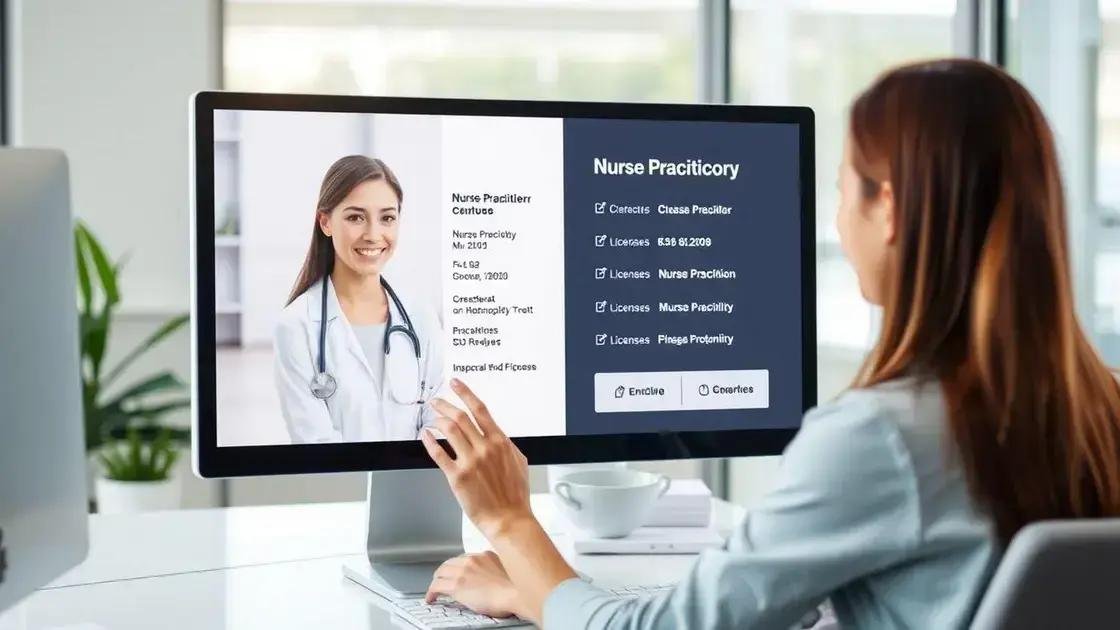
Verifying a mental health nurse practitioner’s (MHNP) prescribing credentials is essential for ensuring safe and legal treatment. Patients can start by confirming the nurse’s licensure status through state or national nursing boards.
Check Licensing Boards
Most regions have online databases where patients can search for a nurse practitioner’s license number, certification, and prescribing authority. These resources provide information about the nurse’s qualifications and any disciplinary actions.
It’s important to verify that the MHNP holds a valid license in the state or region where they practice, as prescribing rules are jurisdiction-specific.
Certification Verification
Mental health nurse practitioners often obtain certification from recognized bodies like the American Nurses Credentialing Center (ANCC). Patients can check certification status through these organizations’ websites.
Confirming certification ensures the nurse has met required education and examination standards. It also helps assess the nurse’s expertise in mental health prescribing.
Ask the Provider Directly
Patients should feel comfortable asking their MHNP about their credentials and prescribing privileges. Reputable providers are transparent and willing to share this information.
Understanding these credentials helps patients make informed choices and trust their care providers.
collaborative practices with other health professionals
Mental health nurse practitioners (MHNPs) often engage in collaborative practices with other health professionals to provide comprehensive care. This teamwork combines diverse expertise to manage patients’ mental and physical health effectively.
Interdisciplinary Collaboration
MHNPs frequently work with psychiatrists, psychologists, social workers, and primary care providers. This collaboration ensures that treatment plans address all aspects of a patient’s well-being.
Regular communication among providers helps coordinate medications, therapy, and social support, reducing risks like drug interactions or conflicting advice.
Benefits of Team-Based Care
Collaborative practices improve patient outcomes by offering broader perspectives and shared decision-making. They can speed up diagnosis, tailor treatments to individual needs, and provide consistent follow-up care.
Patients benefit from a more holistic approach, receiving support for mental health, medical issues, and social needs. This approach often leads to better adherence and satisfaction.
Coordination Tools and Meetings
Teams use tools like shared electronic health records and regular case conferences to maintain clear communication. These tools allow MHNPs and other professionals to update treatment progress and adjust plans promptly.
future trends in mental health nurse prescribing

The future of mental health nurse practitioner prescribing is evolving rapidly with advances in healthcare and technology. Increasing recognition of the role MHNPs play is leading to expanded prescriptive authority in many regions.
Technological Integration
Telehealth and digital health tools are transforming how MHNPs deliver care and manage prescriptions. Remote patient monitoring and electronic prescribing are becoming standard, improving access and tracking medication adherence.
Artificial intelligence and data analytics may assist MHNPs in personalizing medication plans by analyzing patient responses and risks, enhancing safety and effectiveness.
Legislative Changes
There is a trend toward granting full prescribing rights to MHNPs, reducing the need for physician supervision. This shift aims to address provider shortages and improve timely access to mental health medications.
Education and Specialization
Future MHNPs may receive more specialized training in pharmacology and psychopharmacology, increasing confidence and expertise in medication management.
Continued professional development and certifications will likely become more rigorous to match advancing medical standards.
Holistic and Integrated Care
MHNP prescribing will continue to integrate with holistic mental health approaches, combining medication with therapy and social support services for better outcomes.
Understanding the role of mental health nurse practitioners in medication prescribing
Mental health nurse practitioners are key providers in delivering accessible and effective mental health care. Their ability to prescribe medication depends on education, legal regulations, and collaboration with other healthcare professionals.
As laws evolve and technology advances, MHNPs will play an even greater role in patient care. They offer a holistic approach that combines medication management with counseling and support.
Knowing the strengths and limits of MHNP prescribing can help patients make informed decisions and receive safe, compassionate treatment.
Overall, mental health nurse practitioners are helping to close gaps in mental health care and improve outcomes for many individuals.
FAQ – Frequently Asked Questions about Mental Health Nurse Practitioner Prescribing
Can mental health nurse practitioners prescribe medication independently?
It depends on the state or country. Some regions grant full independent prescribing rights, while others require physician collaboration or supervision.
What types of medications can mental health nurse practitioners prescribe?
They can typically prescribe antidepressants, antipsychotics, mood stabilizers, and anxiolytics, but controlled substances may have restrictions depending on local laws.
How do I verify a mental health nurse practitioner’s prescribing credentials?
You can check their license and certification status through state nursing boards or certification bodies such as the American Nurses Credentialing Center.
What are the benefits of seeing a mental health nurse practitioner for medication management?
MHNPs offer accessible care, personalized treatment plans, education about medications, and ongoing monitoring with a focus on holistic mental health.
Do mental health nurse practitioners work with other health professionals?
Yes, they often collaborate with psychiatrists, psychologists, social workers, and primary care providers to ensure comprehensive and coordinated care.
What are the limitations of nurse prescribing in mental health?
Limitations include restricted prescribing rights in certain regions, the need for physician oversight in some cases, and careful monitoring to ensure patient safety.