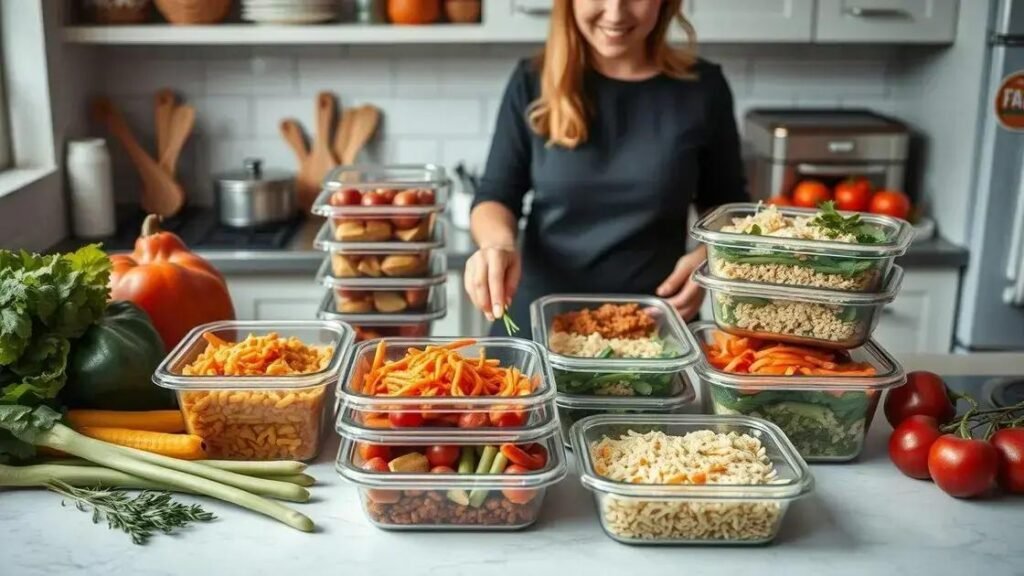
Meal prep involves preparing meals ahead of time using essential tools, simple healthy recipes, and efficient planning to save time, maintain freshness, and support a balanced diet during busy weekdays.
Meal prep can be a game changer when your weekdays are packed. Ever wondered how to eat healthy without spending hours in the kitchen? I’ve been there, and some smart prep tricks might just save your sanity.
why meal prep makes a difference
Meal prep can transform your weekly routine by saving time, reducing stress, and helping you eat healthier. When you prepare meals ahead, you avoid last-minute unhealthy choices and costly takeout. It also allows better control over your ingredients, portions, and nutrition. Busy weekdays become more manageable, as meals are ready to go in minutes.
Preparing your meals in advance helps reduce food waste because you shop with a clear plan and only buy what you need. This saves money and lessens the environmental impact. Plus, having set meals removes the daily question of “What should I eat?”, giving you peace of mind and freeing mental energy.
Benefits of consistent meal prep
Consistency with meal prep supports better health goals, whether it’s weight management, muscle building, or simply eating well. By cooking once and eating multiple times, you ensure balanced nutrition without daily cooking stress. Meal prep also builds discipline around your eating habits, which can improve overall wellness over time.
Overall, meal prep is a practical habit that fits well into busy lifestyles. It makes healthy eating easier, faster, and more affordable—turning good intentions into lasting habits.
essential tools and ingredients for quick prep
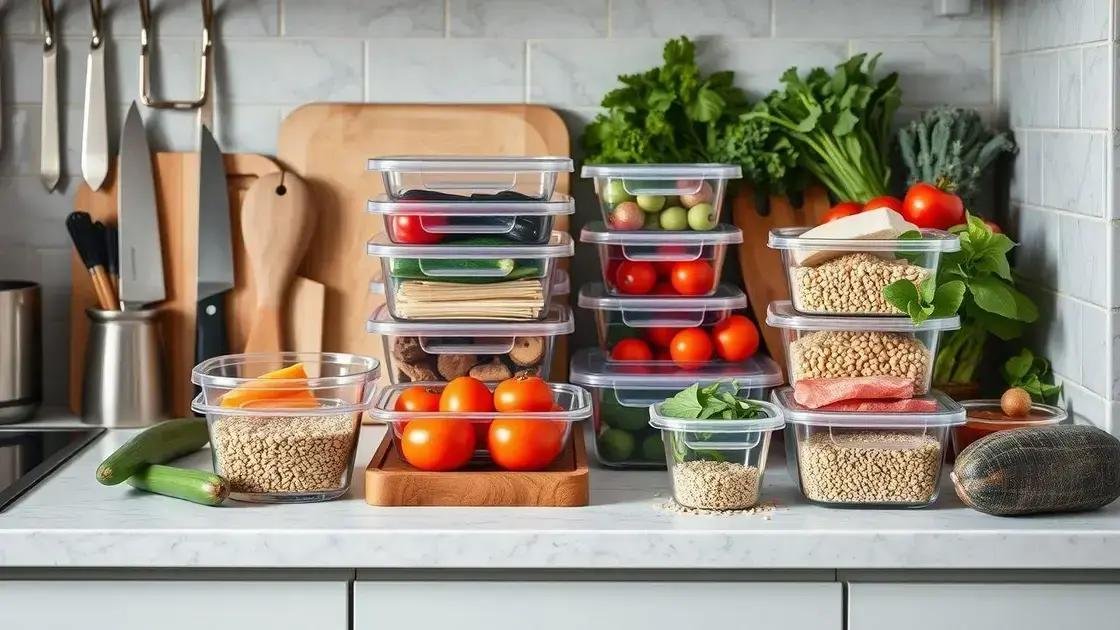
Having the right tools and ingredients is key to making meal prep quick and efficient. Basics like quality knives, cutting boards, and storage containers can speed up your process and keep your kitchen organized.
Essential kitchen tools include a good set of storage containers that are microwave and dishwasher safe, measuring cups, and a slow cooker or instant pot to simplify cooking. A blender or food processor also helps when preparing sauces, dressings, or smoothies in bulk.
Staple ingredients to keep on hand
Stock your pantry and fridge with versatile, healthy ingredients like grains (brown rice, quinoa), canned beans, frozen vegetables, and lean proteins such as chicken, tofu, or fish. Fresh herbs, olive oil, garlic, and spices add flavor without extra calories.
Using pre-cut vegetables or frozen options can save prep time while maintaining nutritional value. Planning your ingredient list around simple recipes helps you shop smarter and get meals ready faster.
easy healthy recipes for busy weekdays
Busy weekdays call for recipes that are both simple and nutritious. Meals like one-pan baked chicken with vegetables or quinoa salad with beans and fresh herbs take minimal time to prepare but deliver great flavor and nutrients.
Focus on recipes that use whole foods and require few ingredients. Stir-fries, sheet-pan dinners, and slow cooker meals are excellent choices because they demand little attention during cooking.
Quick recipe ideas
Overnight oats for breakfast are ready in the morning with no extra effort. For lunch, try mason jar salads layered with protein and veggies. Dinners can be prepped ahead and simply reheated, such as turkey meatballs with steamed broccoli or veggie-packed pasta.
Batch cooking staple ingredients like rice, roasted veggies, and grilled chicken helps you mix and match meals throughout the week. This flexibility keeps your menu exciting without extra work.
how to plan your meals efficiently
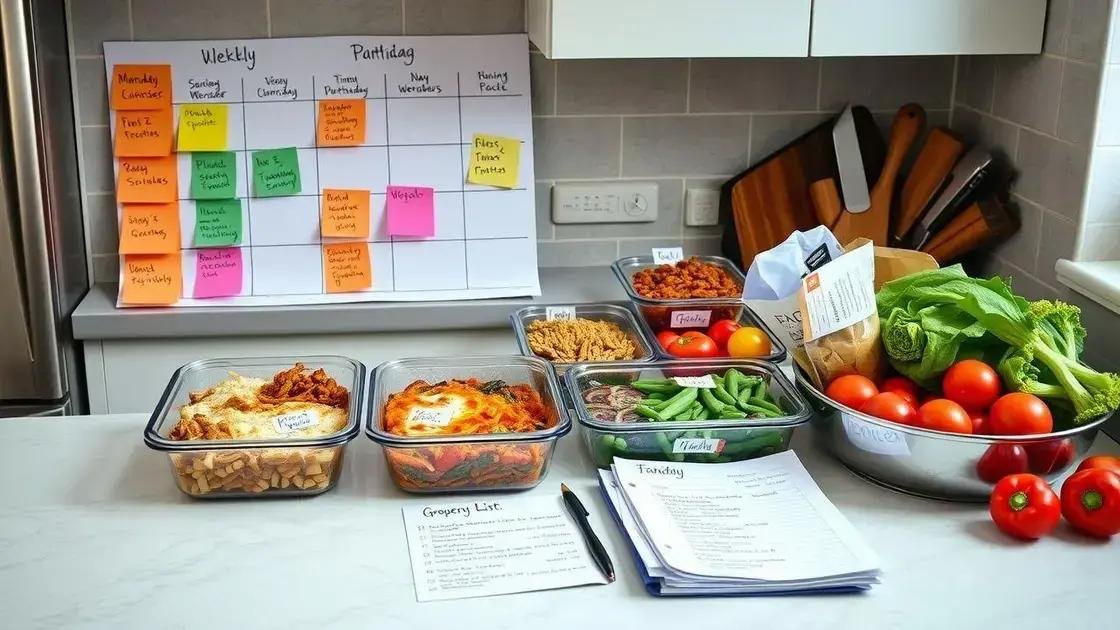
Efficient meal planning starts with setting aside time each week to organize your meals. Using a simple calendar or planner helps you visualize your week and decide when and what to cook.
Begin by choosing recipes that fit your schedule, nutritional goals, and preferences. Prioritize meals that share ingredients to reduce waste and save money. Writing a detailed grocery list prevents unnecessary trips to the store.
Batch cooking and portion control
Batch cooking staple foods like grains, proteins, and vegetables allows you to mix and match meals quickly. Prepare multiple servings at once to save time later in the week.
Portioning meals into containers right after cooking helps with easy grab-and-go options. Labeling containers with dates ensures freshness and prevents food waste.
Finally, staying flexible and adjusting plans as needed can keep your meal prep stress-free and enjoyable. Using apps or meal planning tools can simplify the process and offer recipe ideas tailored to your needs.
tips to keep your meals fresh all week
Keeping your meals fresh throughout the week requires proper storage and handling. Using airtight containers is essential to prevent air exposure that can cause food to spoil. Glass containers are ideal as they don’t retain odors and can be reheated safely.
Store meals in the right part of your fridge, usually the coldest spots, and avoid overcrowding to ensure proper air circulation. Labeling containers with the date they were prepared helps you track freshness and consume meals in order.
Freezing and reheating tips
For meals that last longer than a few days, freezing is a great option. Portion meals appropriately before freezing to avoid waste. When reheating, defrost meals in the refrigerator overnight and reheat until steaming hot for food safety.
Adding fresh ingredients like herbs or a squeeze of lemon when reheating can revive the flavor. Also, store dressings and sauces separately to keep salads and vegetables crisp.
With these tips, your prepped meals will taste as fresh as possible, making your weekly routine easier and more enjoyable.
using apps and plans to simplify meal prep
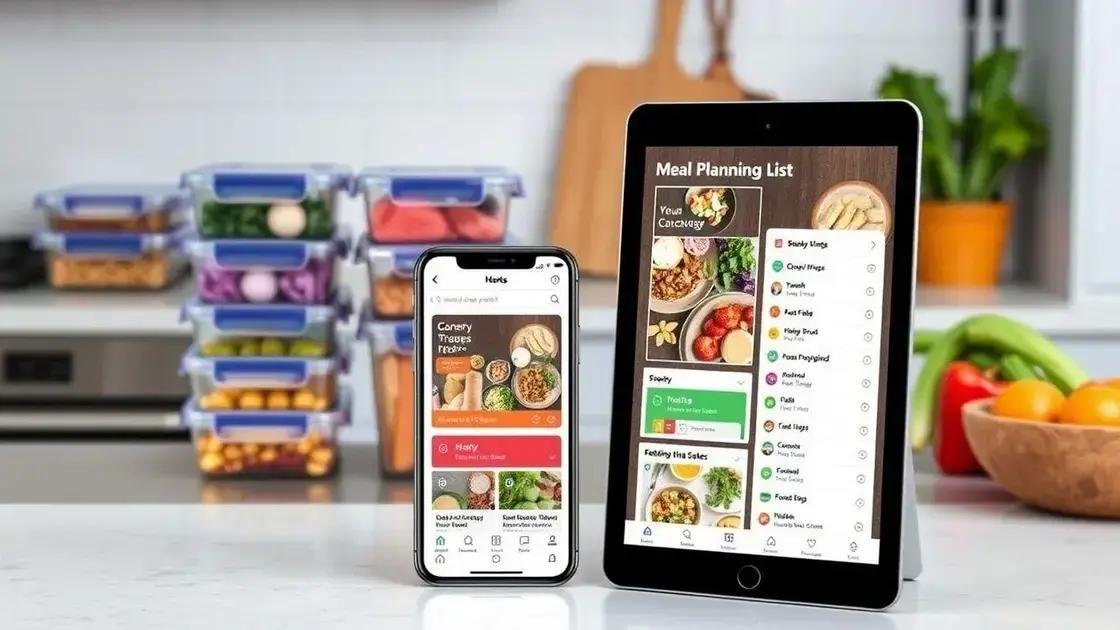
Using apps and meal plans can make meal prep much easier and more organized. Many apps offer features like customizable meal plans, shopping lists, and recipe collections that save time and reduce stress.
Meal planning apps let you select recipes based on your dietary needs and preferences. They often include nutritional information and step-by-step cooking instructions, helping you stay on track with your health goals.
Benefits of digital meal planning
With digital tools, you can generate grocery lists automatically from your meal plan, ensuring you buy only what’s necessary. Some apps sync with your calendar to help schedule cooking times around your busy days.
Meal prep shortcuts like batch cooking guides and reminders help you stay consistent. Plus, many apps allow you to save favorite recipes and adjust serving sizes instantly.
By combining apps and meal plans, you bring structure and ease to your kitchen routine, making healthy eating more achievable.
Making Meal Prep Work for You
Meal prep is a practical way to save time, eat healthier, and reduce stress during busy weekdays. By using the right tools, planning meals efficiently, and leveraging helpful apps, you can simplify your routine and enjoy tasty, nutritious dishes every day.
Keeping meals fresh and choosing easy recipes make the process more enjoyable and sustainable. With consistency and a bit of planning, meal prep can become a habit that supports your health and lifestyle goals.
Start small, find what works best for you, and watch how meal prep transforms your week.
FAQ – Common Questions About Meal Prep
What is meal prep and why is it important?
Meal prep is the process of preparing meals in advance to save time and eat healthier during busy days.
What tools do I need to start meal prepping?
Basic tools like quality knives, cutting boards, airtight containers, and slow cookers can make meal prep faster and easier.
How can I keep my prepped meals fresh throughout the week?
Use airtight containers, store meals in the coldest part of the fridge, label them with dates, and consider freezing portions for longer storage.
Are there apps that can help with meal prepping?
Yes, many meal planning apps offer recipes, grocery lists, and meal schedules to simplify your prep and keep you organized.
What are some easy healthy recipes ideal for busy weekdays?
Try one-pan baked chicken with veggies, quinoa salads, overnight oats, and batch-cooked grains with proteins for quick, nutritious meals.
How do I plan meals efficiently to avoid food waste?
Plan your meals for the week, choose recipes with overlapping ingredients, shop with a detailed grocery list, and batch cook to save time and reduce waste.