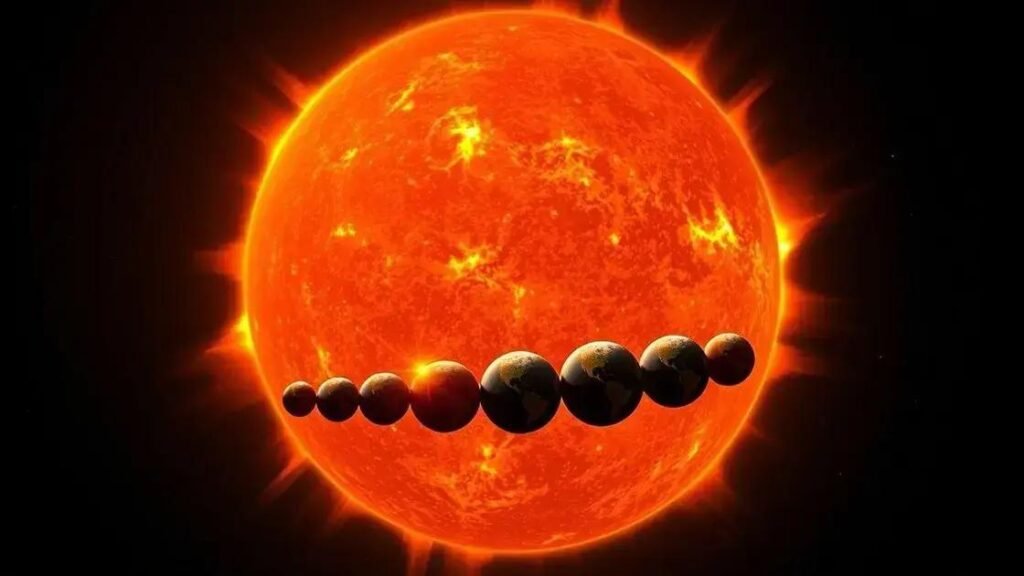
Earths in the Sun refers to the fact that approximately 1.3 million Earth-sized planets can fit inside the sun due to its vastly larger volume and diameter, highlighting the enormous size difference between our planet and the sun.
Have you ever wondered how many Earths in the Sun would fit if we could stack them up? This striking comparison gives us a glimpse of the enormous scale of the sun compared to our home planet. Stick around and explore this fascinating cosmic relationship with me.
understanding the size of the sun
The sun is a massive, glowing ball of gas at the center of our solar system. It is primarily composed of hydrogen and helium, undergoing constant nuclear fusion to produce energy. Understanding the size of the sun is key to grasping the scale of our solar neighborhood. The sun’s diameter is about 1.39 million kilometers, which is roughly 109 times wider than Earth. This means if the sun were the size of a large beach ball, Earth would be a tiny marble by comparison.
Its enormous size also gives the sun a volume of approximately 1.3 million times that of Earth. This incredible volume is what allows the sun to hold so much fuel for fusion, powering light and heat that reach us daily. The sun’s vast size affects everything from the orbits of planets to the climates here on Earth. Scientists use this size information to calculate gravitational forces and better predict solar activity.
Although the sun appears small from our perspective on Earth, it dominates our sky and influences the entire solar system. Visualizing its size helps put into perspective the small scale of Earth and the vastness of space around us.
measuring Earth: diameter and volume
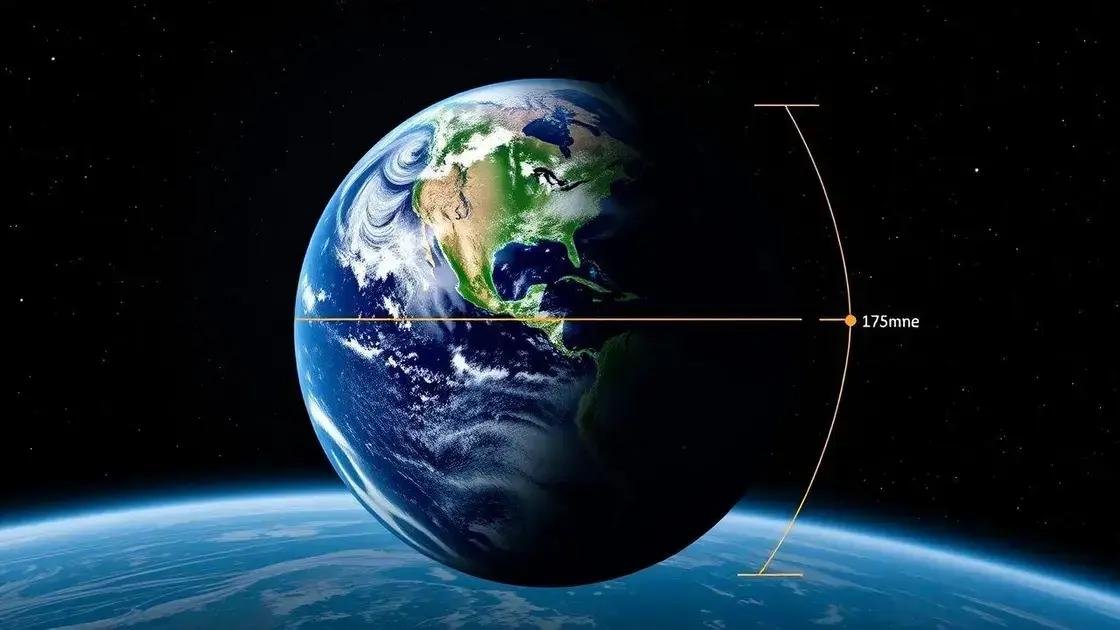
Measuring Earth requires understanding its key dimensions: diameter and volume. The Earth’s average diameter is about 12,742 kilometers, which is the distance through the planet at its widest point. This measurement helps scientists estimate many physical properties of the planet.
The volume of Earth is approximately 1 trillion cubic kilometers (1.08 x 10¹² km³). This large volume holds land, oceans, and the atmosphere that supports life. Calculating volume depends on treating Earth as a near-perfect sphere, though it is actually an oblate spheroid, slightly flattened at the poles due to rotation.
Why Diameter and Volume Matter
Knowing Earth’s diameter and volume allows comparison to other celestial bodies, especially when asking, How many Earths can fit in the sun? This comparison reveals the vast difference in scale between our planet and the sun.
Accurate measurements guide navigation, satellite positioning, and understanding Earth’s gravity and internal structure. Instruments like satellites and lasers now provide precise data, improving over earlier estimates made centuries ago.
Understanding Earth’s size helps us appreciate our place in the vast cosmos.
how the sun’s volume compares to Earth’s
The volume of the sun is truly astounding when compared to Earth’s. The sun’s volume is about 1.3 million times greater than Earth’s. This means you could fit over a million Earth-sized planets inside the sun and still have room left.
This massive difference is due to the sun’s diameter being roughly 109 times that of Earth. Volume increases with the cube of the diameter, so even a small increase in diameter leads to a huge jump in volume.
Visualizing the Scale
Imagine the Earth as a small marble and the sun as a large beach ball. The sun’s immense volume allows it to hold an enormous amount of gas, mainly hydrogen and helium. This vast volume fuels the sun’s nuclear fusion, powering the heat and light that sustain life on Earth.
Understanding the sun’s volume compared to Earth emphasizes the vastness of space and the size differences between celestial bodies.
visualizing scale: how many Earths fit inside the sun
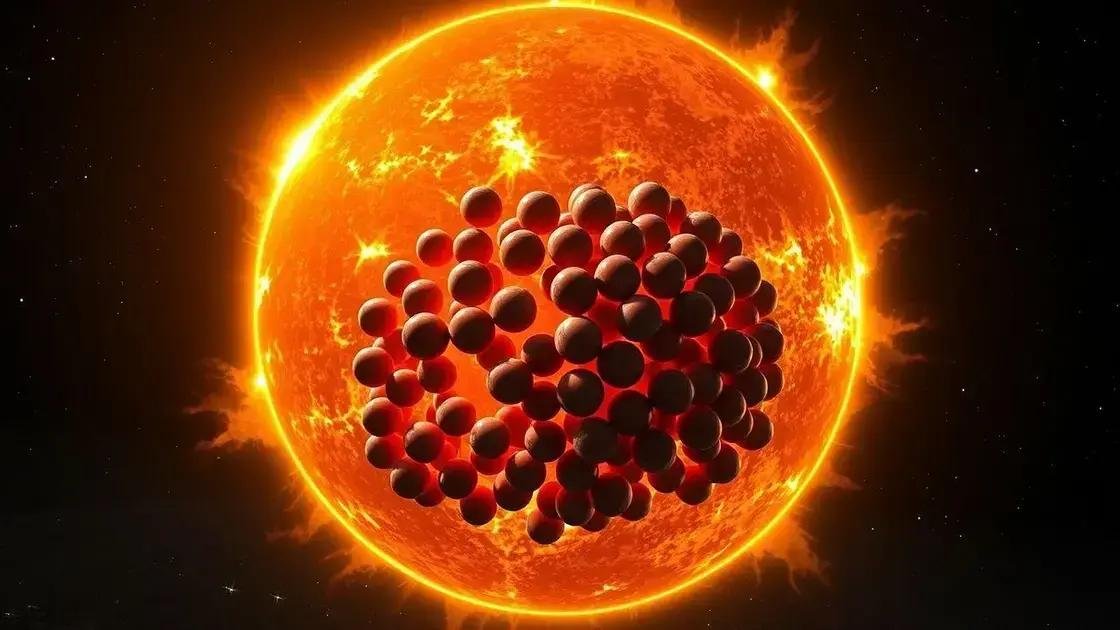
Visualizing the scale of how many Earths fit inside the sun helps us grasp the mind-blowing size difference between the two. The sun’s volume can hold about 1.3 million Earths. This means you could line up and fill the sun with over a million planet Earths and still have space left over.
Imagining the Comparison
Think of the Earth as a grape and the sun as a giant beach ball. This comparison makes the sun’s size much easier to picture. While the Earth is solid and rocky, the sun is a huge glowing ball of hot gases, much larger and less dense.
This vast difference in size is why the sun’s gravity dominates the solar system, keeping all planets, including Earth, in orbit around it. It also explains the sun’s powerful energy output, which comes from burning massive amounts of fuel in its core.
Understanding this scale helps us appreciate the enormous forces and distances in space.
why size matters: impact on the solar system
Size has a huge impact on the solar system and how it works. The sun’s enormous size means it holds more than 99% of the solar system’s total mass. This gives it a powerful gravitational pull that controls the orbits of all planets, asteroids, and comets.
Gravitational Influence
The sun’s gravity keeps the planets in their paths, preventing them from drifting off into space. Without the sun’s massive size and force, Earth and other planets wouldn’t maintain stable orbits.
The large size also affects how energy spreads throughout the solar system. The sun produces light and heat through nuclear fusion, which depends on its huge volume and mass. This energy reaches Earth and drives weather, climates, and life itself.
Understanding the sun’s size helps explain many processes in space, including tides, seasons, and planetary motion.
the sun’s composition and density
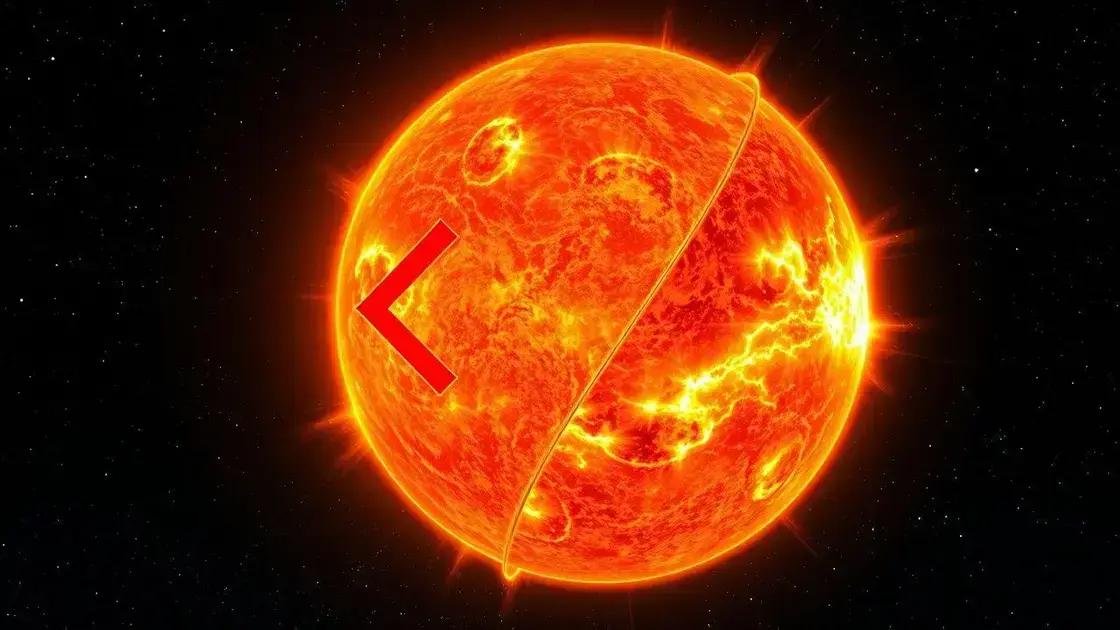
The sun is primarily made up of hydrogen and helium gases. About 74% of its mass is hydrogen, and nearly 24% is helium. The rest consists of heavier elements like oxygen, carbon, and iron, but these make up only a tiny fraction.
Layers and Composition
The sun’s structure includes the core, radiative zone, convective zone, photosphere, chromosphere, and corona. The core is where nuclear fusion happens, turning hydrogen into helium and releasing massive energy.
Density varies greatly through these layers. The core is incredibly dense—about 150 times denser than water—due to the extreme pressure and temperature. By contrast, the outer layers are much less dense, creating the sun’s glowing surface and atmosphere.
Understanding the sun’s composition and density is key to learning how it produces energy and influences the solar system.
Earth’s size in context of other planets
Earth’s size is medium compared to other planets in our solar system. It is larger than Mercury, Mars, Venus, and dwarf planets like Pluto. However, it is smaller than the gas giants such as Jupiter and Saturn, as well as ice giants like Uranus and Neptune.
Comparison with rocky planets
Among the rocky planets, Earth ranks second largest after Venus. Mercury is the smallest, while Mars is smaller than Earth by nearly half its diameter. These comparisons help scientists understand the variety of planet sizes and compositions in our solar system.
Gas giants and ice giants
Gas giants like Jupiter are huge compared to Earth. Jupiter’s diameter is about 11 times that of Earth, making its volume more than 1,300 times larger. Saturn is also similarly massive. Ice giants Uranus and Neptune are smaller than Jupiter but still much larger than Earth.
Understanding Earth’s size in context helps us appreciate the diversity and scale of planets orbiting our sun.
how space missions have measured sizes
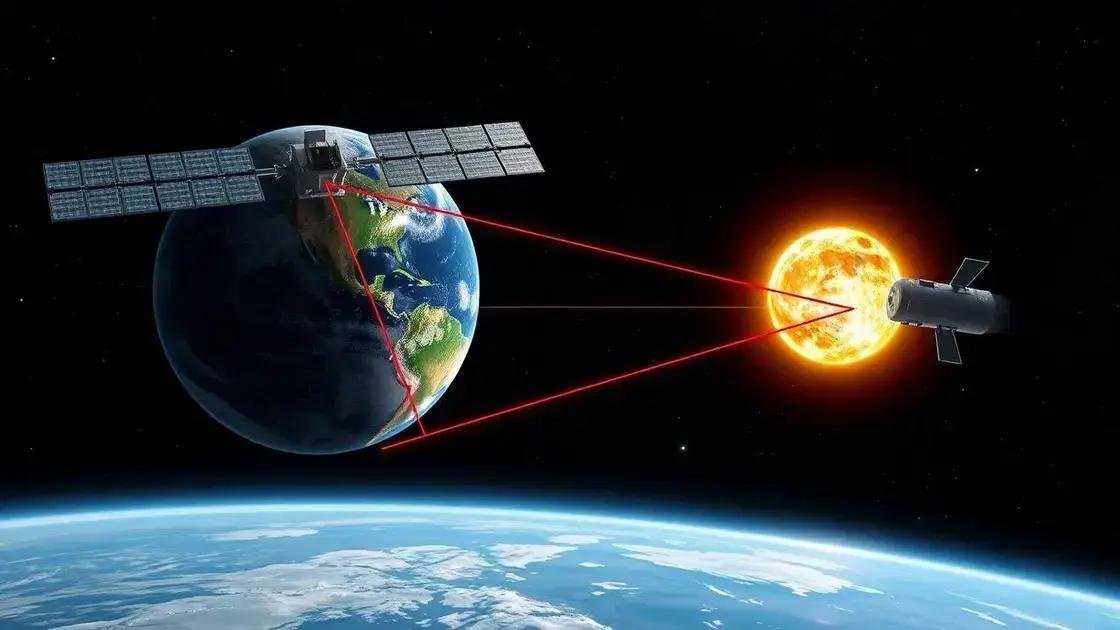
Space missions have played a crucial role in accurately measuring the sizes of Earth, the sun, and other celestial bodies. Using advanced technologies like satellites, telescopes, and spacecraft, scientists have refined our understanding of these dimensions over time.
Satellite measurements
Satellites orbit Earth and use radar, laser ranging, and other sensors to measure its diameter and shape in great detail. These precise tools help detect tiny variations in Earth’s size, shape, and surface changes.
Solar observations
Space probes like the Solar and Heliospheric Observatory (SOHO) and Parker Solar Probe study the sun’s size and structure. By monitoring solar emissions and using imaging instruments, these missions provide accurate data on the sun’s diameter and volume.
Space missions continuously improve our ability to measure sizes, aiding scientists in understanding celestial scales and their impact.
common misconceptions about size comparisons
Many people have common misconceptions when comparing the sizes of Earth and the sun. One mistaken idea is that the sun is only a few hundred times larger than Earth. In reality, the sun’s diameter is about 109 times larger than that of Earth, and its volume can hold roughly 1.3 million Earths.
Misunderstanding scale and distance
Another confusion is mixing size with distance. Even though the sun is huge, it appears small in our sky because it is about 93 million miles away from Earth. Size and distance must both be considered to understand what we see.
Thinking planets fit easily inside the sun
People often imagine Earths fitting neatly inside the sun without gaps, but due to the spherical shapes, the packing is less efficient. So, the number 1.3 million is an estimate for volume, not physical stacking as in a solid container.
Knowing these misconceptions helps us better appreciate the true vastness of our sun and planets.
using models to grasp solar scale
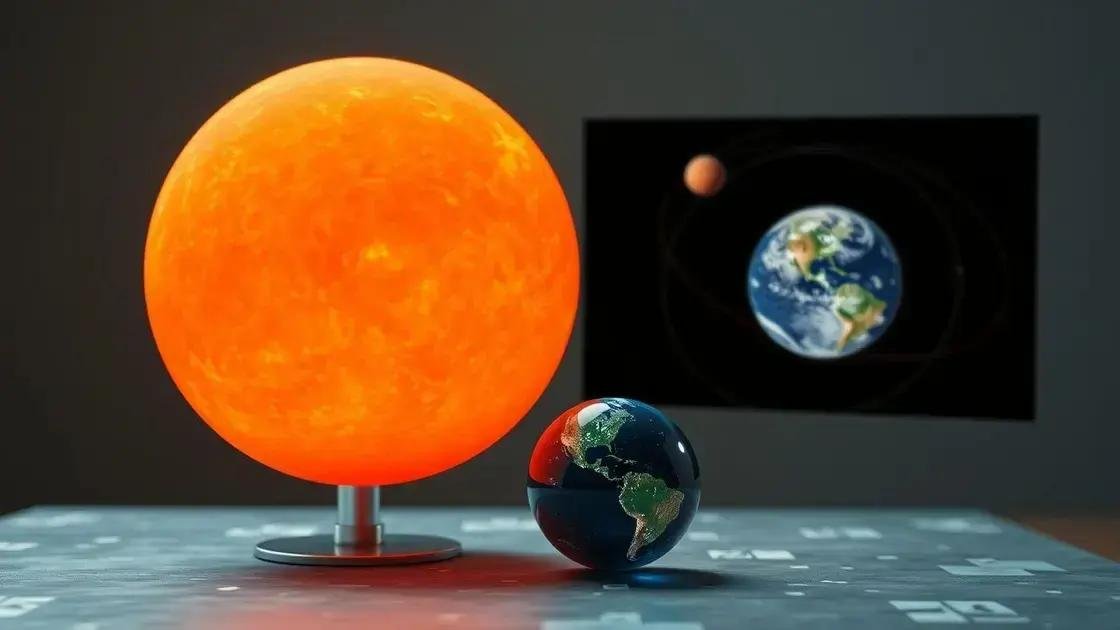
Using models is a helpful way to grasp the vast scale of the solar system. Scientists and educators create scaled-down versions of the sun and planets to show their size differences in a more understandable way.
Physical models
Physical models often use balls or spheres of different sizes. For example, if the sun is represented by a large beach ball, Earth might be a small marble placed far away to keep the scale correct. This helps people visualize the huge size gap and distance.
Digital models and simulations
Digital models use computer simulations to show the solar system in three dimensions. Users can zoom in and out to see size and distance changes. These tools often highlight how many Earths fit inside the sun and the positions of planets in orbit.
Models make the immense solar scale easier to understand by using relatable sizes and distances.
everyday analogies to explain sun and Earth sizes
Using everyday analogies can help people better understand the size difference between the sun and Earth. For example, if the sun were the size of a large beach ball, Earth would be about the size of a small marble or pea.
Common household items comparison
Another way to imagine it is if the sun were a basketball, Earth would be a tiny peppercorn nearby. This analogy shows just how small Earth is compared to the sun.
Such comparisons put astronomical sizes into perspective, making the vast scale more relatable and easier to grasp.
These simple analogies serve as powerful tools to visualize the immense gap between the sun and Earth’s sizes.
the effect of sun’s size on climate and life on Earth
The sun’s large size directly affects the climate and life on Earth. Its immense energy output provides the heat and light necessary for plants to grow and animals to survive. This energy drives weather patterns, ocean currents, and the water cycle.
Sunlight and climate
The sun’s energy heats Earth unevenly because of its size and distance. This uneven heating causes winds and storms, shaping different climates across the globe. Variations in solar activity, such as sunspots, can also influence climate changes over time.
Supporting life
Without the sun’s vast size and constant energy production, Earth would be too cold for life. Photosynthesis, the process plants use to make food, relies on sunlight. The sun’s energy helps maintain temperatures that make Earth a unique home in our solar system.
Understanding the sun’s size explains why it plays a crucial role in sustaining life and driving the planet’s climate systems.
astronomical units and their role in size measurement
Astronomical units (AU) are a key way scientists measure distances in our solar system. One AU is the average distance from Earth to the sun, about 93 million miles or 150 million kilometers.
Why use astronomical units?
Using AU simplifies discussions about space distances. Instead of large numbers in miles or kilometers, scientists use AU to express distances between planets and other objects in the solar system.
For example, Mars is about 1.5 AU from the sun, while Jupiter is nearly 5 AU away. This helps us understand the relative spacing of planets.
Role in size measurement
Astronomical units also help compare the sizes and scales of celestial bodies by relating them to distances. Knowing how far Earth is from the sun in AU adds context when considering how many Earths can fit inside the sun or how far planets orbit.
AU provides a practical and understandable scale to measure vast distances and sizes in space.
future research on solar and planetary sizes
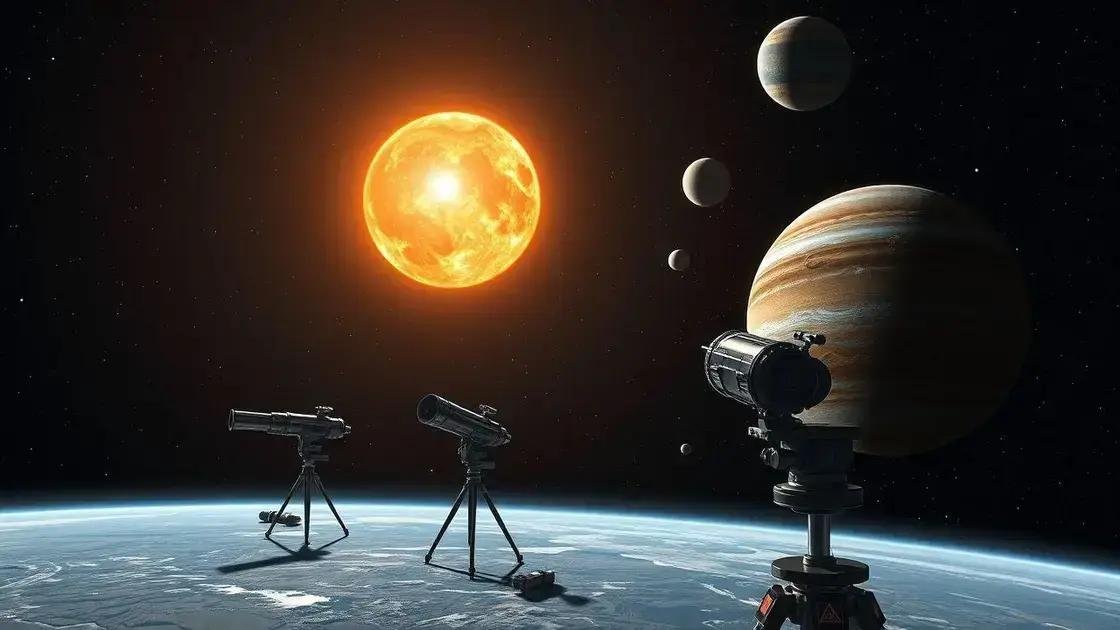
Future research on solar and planetary sizes continues to advance with new technologies and missions. Scientists aim to learn more about the sun’s changing size and how it affects the solar system. This research helps improve predictions of solar activity and its impact on Earth.
Advancements in telescopes and probes
Next-generation telescopes and space probes will provide more detailed measurements of the sun and planets. These tools will increase accuracy in observing sizes, compositions, and atmospheres.
Understanding planetary formation and evolution
Research also focuses on how planets grow and change over time. Studying sizes helps scientists learn about a planet’s history, interior structure, and potential for supporting life.
Continuing this research will deepen our understanding of the solar system and improve our ability to explore other star systems.
Understanding the vastness of the sun compared to Earth
Exploring how many Earths can fit inside the sun helps us appreciate the incredible scale of our solar system. The sun’s huge size impacts everything from planetary orbits to the climate and life on our planet.
By using models, analogies, and space missions, scientists continue to improve our knowledge of these sizes and distances. This ongoing research will deepen our understanding of the cosmos and our place within it.
Remember, the sun’s size is not just a number—it shapes the very environment that supports life on Earth and influences the whole solar system.
FAQ – Common Questions About Earth and the Sun’s Size Comparison
How many Earths can fit inside the sun?
Approximately 1.3 million Earths can fit inside the sun based on volume comparison.
Why is the sun so much larger than Earth?
The sun is a massive ball of hot gases with a diameter about 109 times greater than Earth, making its volume vastly larger.
How does the sun’s size affect Earth’s climate?
The sun’s size allows it to produce the energy and heat necessary to drive weather, climate, and support life on Earth.
What tools help scientists measure sizes of the sun and Earth?
Satellites, space probes, and telescopes provide precise measurements of Earth’s and the sun’s sizes and properties.
Why do people often misunderstand the size comparison between Earth and the sun?
Many mix up size with distance or underestimate the sun’s diameter and volume, leading to common misconceptions.
How do models help explain the size difference between Earth and the sun?
Physical and digital models scale down sizes to relatable objects, making it easier to visualize the huge differences between Earth and the sun.