
Nutrients for weight loss include balanced macronutrients, essential vitamins like B and D, minerals such as magnesium and iron, fiber for appetite control, and proper hydration with electrolytes to boost metabolism and support fat burning effectively.
Nutrients for weight loss aren’t just about cutting calories — they can power your body to burn fat smarter and keep you feeling good. Ever wondered which vitamins or minerals really matter when you want to shed pounds without feeling drained? Let’s dive into what your diet truly needs.
Understanding the role of macronutrients in weight loss
Macronutrients include carbohydrates, proteins, and fats, and they play distinct roles in weight loss. Carbohydrates provide energy, but focusing on complex carbs like whole grains helps sustain blood sugar levels and reduce cravings. Proteins are essential because they promote muscle repair and increase satiety, making you feel full longer. This can help prevent overeating during the day.
The role of carbohydrates
Choosing high-fiber, slow-digesting carbohydrates like vegetables and legumes supports steady energy release. Avoiding simple sugars can reduce fat storage and energy crashes.
The role of proteins
Including lean protein sources such as chicken, fish, or plant-based options supports muscle preservation during weight loss, which is crucial for maintaining metabolism.
The role of fats
While fats often have a bad reputation, healthy fats from nuts, seeds, and avocados are vital for hormone production and nutrient absorption. They also enhance fullness and satisfaction after meals.
Balancing these macronutrients effectively can make weight loss more sustainable and improve overall health.
Essential vitamins that aid fat burning
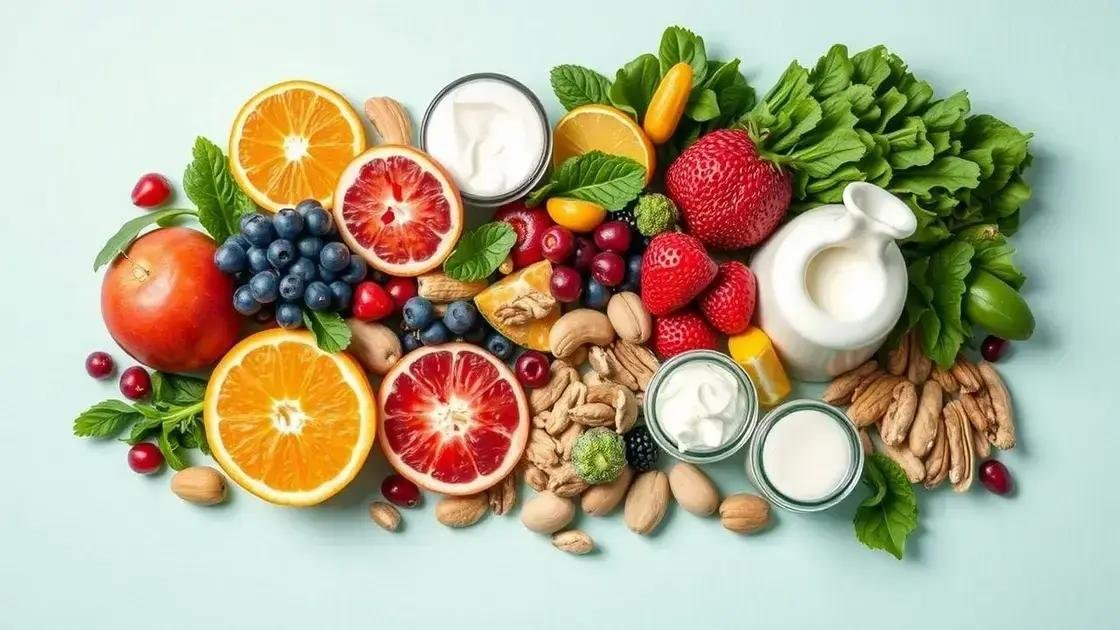
Vitamins play a crucial role in boosting metabolism and supporting fat burning. Vitamin D helps regulate insulin levels and supports muscle function, which can enhance your ability to burn fat. Low levels of vitamin D have been linked to weight gain and difficulty losing weight.
The role of B vitamins
B vitamins, especially B6, B12, and folate, are essential for converting food into energy. They support your body’s metabolic processes and help reduce fatigue, making it easier to stay active and burn calories.
Vitamin C and fat metabolism
Vitamin C is important for the production of carnitine, a molecule needed for the transport of fatty acids into the cells’ mitochondria, where fat is burned for energy. It also supports a healthy immune system, which is important when you’re active.
Antioxidant vitamins
Vitamins A, C, and E act as antioxidants that help protect your body from oxidative stress caused by exercise. This support allows you to maintain a consistent workout routine, aiding in weight loss.
Including foods rich in these vitamins, like citrus fruits, leafy greens, nuts, and dairy, can naturally enhance your fat-burning potential.
How minerals contribute to metabolism and energy
Minerals are vital for various bodily functions, especially metabolism and energy production. Magnesium plays a key role in converting food into energy by activating enzymes involved in this process. Without enough magnesium, your energy levels can drop, affecting weight loss efforts.
The importance of iron
Iron helps carry oxygen in the blood to cells, supporting energy production and endurance during exercise. Low iron can lead to fatigue, making it harder to stay active and burn calories effectively.
Role of zinc and chromium
Zinc supports hormone regulation and immune function, which can influence metabolism. Chromium helps regulate blood sugar levels, reducing insulin spikes and supporting fat loss by improving how your body processes carbohydrates.
Calcium’s metabolic benefits
Calcium not only supports bone health but also plays a part in fat metabolism by binding small amounts of fat in the gut, which can reduce fat absorption.
Ensuring a diet rich in these minerals, through sources like nuts, seeds, leafy greens, and lean meats, is essential for maintaining energy levels and supporting effective metabolism during weight loss.
The importance of fiber for appetite control
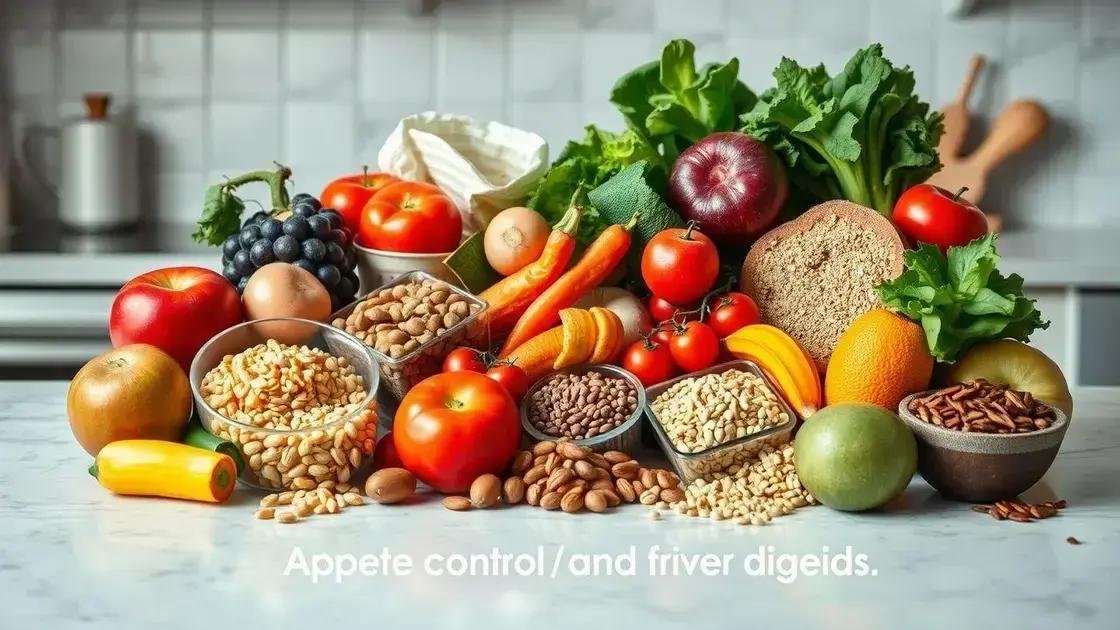
Fiber is a key nutrient that helps control appetite by slowing digestion and making you feel full longer. It adds bulk to your stool, which helps regulate your digestive system and prevents overeating.
Types of fiber and their benefits
There are two main types of fiber: soluble and insoluble. Soluble fiber dissolves in water and forms a gel-like substance, which slows digestion and keeps blood sugar levels stable. Insoluble fiber adds bulk and helps move food through your digestive tract efficiently.
How fiber affects hunger hormones
Fiber can influence hormones that regulate hunger and fullness, such as ghrelin and peptide YY. By increasing these hormones’ effectiveness, fiber helps reduce cravings and calorie intake.
Sources of fiber to include in your diet
Foods rich in fiber include vegetables, fruits, whole grains, legumes, nuts, and seeds. Incorporating these into your meals not only aids appetite control but also supports overall digestive health.
Consuming adequate fiber can make it easier to stick to your weight loss plan by helping you feel satisfied with fewer calories.
Why hydration and electrolytes matter
Hydration is essential for weight loss because water helps regulate your metabolism and supports all your body’s functions. When you’re properly hydrated, your body can efficiently burn calories and process nutrients.
The importance of electrolytes
Electrolytes like sodium, potassium, and magnesium are minerals that balance fluids in your body, regulate muscle function, and maintain nerve signals. During weight loss, especially when exercising, maintaining electrolyte balance is crucial to prevent fatigue and cramps.
How dehydration affects weight loss
Dehydration can slow down your metabolism and make digestion less efficient. It can also lead to increased hunger as the body confuses thirst signals with hunger, causing you to eat more than needed.
Sources of hydration and electrolytes
Besides water, consuming foods and drinks rich in electrolytes such as bananas, coconut water, leafy greens, and nuts helps maintain balance. Including these in your diet supports sustained energy and better workout performance.
Staying hydrated and maintaining electrolyte balance can improve your overall weight loss efforts by enhancing metabolism and reducing unnecessary calorie intake.
Incorporating nutrient-rich foods in daily meals

Including nutrient-rich foods in your daily meals is key to supporting weight loss and overall health. Focus on whole foods that are minimally processed and packed with vitamins, minerals, and fiber.
Breakfast ideas
Start your day with oatmeal topped with fresh berries and nuts or a vegetable-packed omelet. These options provide a balanced mix of carbohydrates, protein, and healthy fats to fuel your morning.
Lunch and dinner options
Choose lean proteins like grilled chicken or fish, paired with a variety of colorful vegetables and whole grains such as quinoa or brown rice. Incorporating legumes like lentils and beans boosts fiber and protein intake.
Healthy snacks
Opt for snacks like Greek yogurt, hummus with carrot sticks, or a handful of mixed nuts. These nutrient-dense choices help keep hunger at bay between meals.
Meal planning tips
Planning your meals ahead ensures you include a diverse range of nutrients and reduces the temptation to reach for processed foods. Aim to fill half your plate with vegetables for maximum nutrient intake.
By consistently choosing nutrient-rich foods, you support your body’s fat-burning processes and maintain energy levels throughout the day.
Key takeaways for effective weight loss nutrition
Choosing the right nutrients is essential for successful weight loss and overall well-being. Focusing on balanced macronutrients, essential vitamins, and minerals supports your metabolism and energy levels.
Including fiber-rich foods helps control appetite, while staying hydrated with electrolytes maintains your body’s balance and performance. Incorporating nutrient-dense meals daily gives your body the fuel it needs to burn fat and stay energized.
Small changes in your diet can lead to big results. By making mindful choices and nourishing your body properly, you set yourself up for lasting success on your weight loss journey.
FAQ – Nutrients for Weight Loss
What are macronutrients and why are they important for weight loss?
Macronutrients include carbohydrates, proteins, and fats. They provide energy and support metabolism, muscle repair, and fat burning.
Which vitamins help with fat burning?
Vitamins like D, B6, B12, folate, and C are essential because they aid metabolism, energy production, and support fat burning processes.
How do minerals affect metabolism and energy?
Minerals such as magnesium, iron, zinc, chromium, and calcium play vital roles in energy production, hormone regulation, and fat metabolism.
Why is fiber important for appetite control?
Fiber slows digestion and helps you feel full longer, which reduces overeating and helps control your appetite.
How do hydration and electrolytes impact weight loss?
Proper hydration and balanced electrolytes support metabolism, muscle function, and prevent fatigue, all of which aid in effective weight loss.
What are some ways to include nutrient-rich foods in daily meals?
Include whole foods like lean proteins, colorful vegetables, whole grains, nuts, seeds, and fruits to provide essential nutrients and support fat loss.