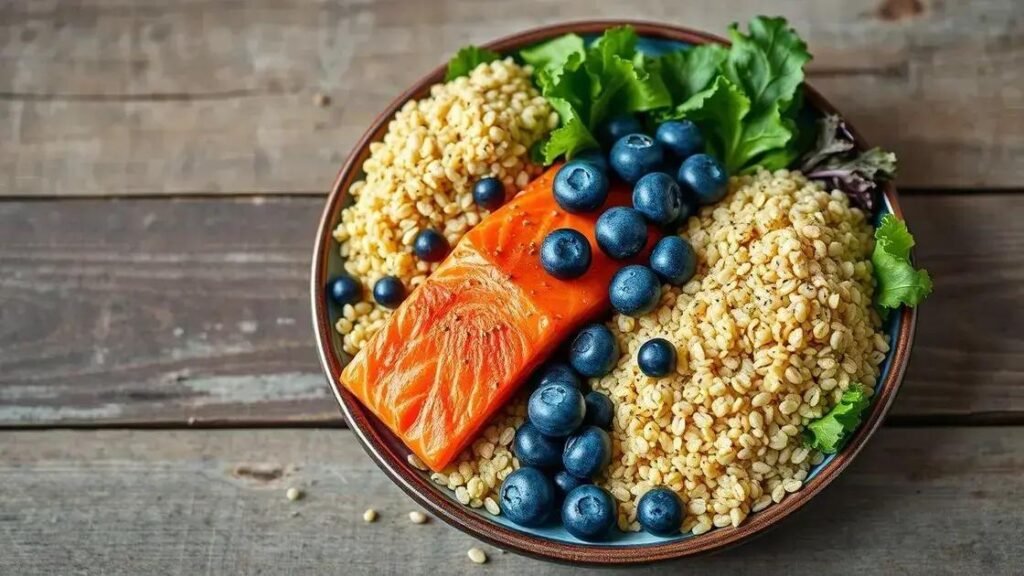
Superfoods are nutrient-rich foods like blueberries, kale, quinoa, chia seeds, and salmon that provide powerful health benefits when included in a balanced diet with proper preparation and moderation.
Ever wondered how superfoods can transform what you eat? These nutrient-packed foods never go out of style and can elevate your meals effortlessly. Curious which ones deserve a spot on your plate every day?
understanding what makes a food a superfood
Superfoods are nutrient-rich foods considered to be especially beneficial for health and well-being. What truly makes a food a superfood is its high concentration of vitamins, minerals, antioxidants, and other essential nutrients that support body functions and protect against disease. These foods often contain compounds that reduce inflammation, boost the immune system, and improve energy levels.
Key Nutrients Found in Superfoods
Many superfoods are loaded with antioxidants, like vitamins C and E, which protect cells from damage. Others are rich in fiber, aiding digestion and heart health. Essential fatty acids, such as omega-3s found in some superfoods, contribute to brain function and reduce inflammation.
Why Superfoods Stand Out
Unlike everyday foods, superfoods offer a dense nutrient profile in relatively small servings. For example, blueberries have flavonoids that may improve memory, while kale packs vitamins K, A, and C along with powerful antioxidants. The synergy of nutrients in superfoods makes them more effective at improving health than isolated supplements.
Including a variety of these foods in your diet can help ensure your body gets a wide range of nutrients. However, it’s important to remember that no single food can provide all the health benefits you need. A balanced diet combined with superfoods will yield the best results.
top 5 superfoods and their health benefits
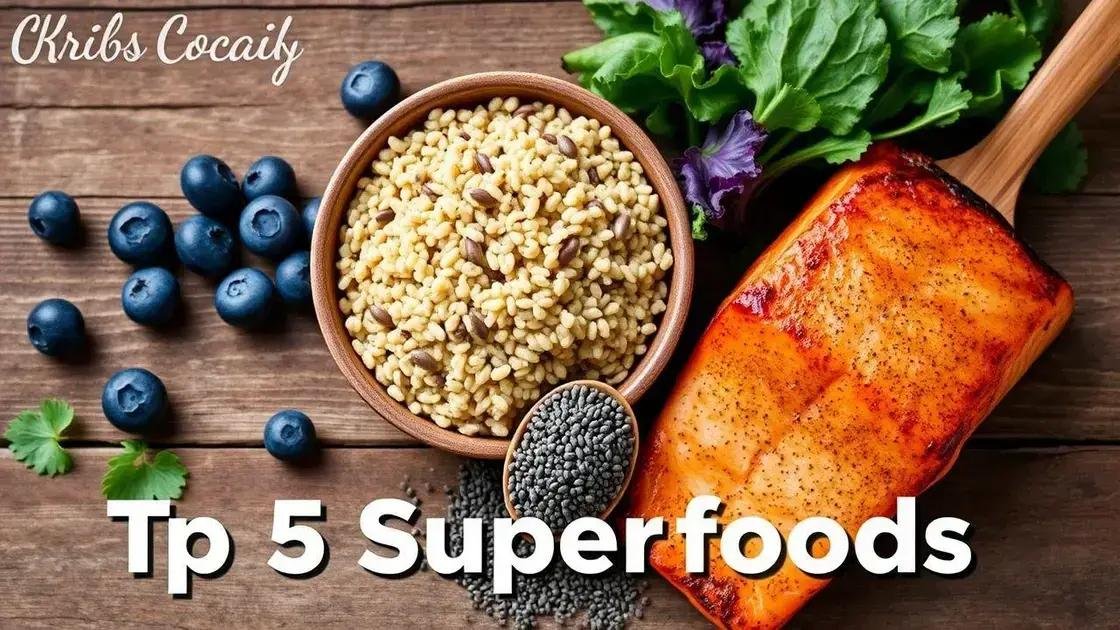
Including the top 5 superfoods in your diet can provide numerous health advantages thanks to their rich nutrient profiles. Each offers unique benefits essential for maintaining energy, boosting immunity, and supporting overall well-being.
1. Blueberries
Blueberries are packed with antioxidants that help combat free radicals and reduce inflammation. They also support brain health and may improve memory and cognitive function.
2. Kale
Kale is a leafy green rich in vitamins A, C, and K. It promotes heart health, supports bone strength, and aids detoxification with its high fiber content.
3. Quinoa
Quinoa is a gluten-free grain that provides all nine essential amino acids, making it a complete protein. It’s excellent for muscle repair and keeps you feeling full longer.
4. Chia Seeds
Chia seeds are a great source of omega-3 fatty acids, fiber, and protein. They improve digestion, regulate blood sugar, and support heart health by lowering cholesterol.
5. Salmon
Salmon is rich in high-quality protein and omega-3 fatty acids, which reduce inflammation and support brain and eye health. It also contains essential nutrients like vitamin D and B vitamins.
Adding these superfoods regularly can enhance your nutrition and help maintain a balanced, healthy diet.
easy ways to include superfoods in your daily meals
Incorporating superfoods into your daily meals doesn’t have to be complicated. Small and simple changes can boost your nutrition without altering your routine drastically.
Start Your Day with Superfoods
Try adding chia seeds or blueberries to your morning oatmeal or yogurt. These add antioxidants and fiber, helping you feel full and energized for hours.
Boost Your Salads
Mix in kale or spinach leaves for a vitamin-rich base. Toss in some nuts or quinoa for extra protein and texture.
Snack Smart
Keep raw nuts, seeds, or dried fruits handy for quick, healthy snacking. These options provide essential fats and vitamins without added sugar.
Supercharge Your Smoothies
Add a handful of spinach, a spoonful of flaxseed, or some frozen berries to your smoothies. This not only increases nutrient density but also improves taste and texture.
Add Superfoods to Meals
Enhance main dishes by using salmon instead of red meat or swapping white rice for quinoa. Sprinkle some turmeric or garlic for flavor and health benefits.
These tips make it easy to enjoy the benefits of superfoods without a major dietary overhaul.
cooking tips to preserve superfood nutrients

Proper cooking methods are key to preserving the valuable nutrients found in superfoods. Some nutrients are sensitive to heat, water, and air, so knowing how to cook smartly can maximize their health benefits.
Use Gentle Cooking Techniques
Steaming and sautéing are excellent for preserving vitamins and antioxidants. Steaming keeps water-soluble nutrients intact, while sautéing with a little healthy oil can enhance absorption of fat-soluble vitamins.
Avoid Overcooking
Overcooking can break down delicate nutrients like vitamin C and some B vitamins. Cooking superfoods for just the right time ensures they remain nutrient-rich and flavorful.
Incorporate Raw Superfoods
Whenever possible, eat some superfoods raw. For example, fresh kale and berries retain more antioxidants and enzymes when not cooked.
Minimize Water Use
Boiling superfoods can cause nutrient loss into the water. Using minimal water or cooking methods like steaming helps keep nutrients locked in.
Use Healthy Fats
Adding healthy fats, such as olive oil or avocado, when cooking leafy greens or vegetables can increase absorption of key nutrients like vitamins A, D, E, and K.
By following these tips, you can enjoy meals that are both delicious and packed with the full benefits of superfoods.
debunking common myths about superfoods
Superfoods often come with many misconceptions that can confuse people about their real benefits. Let’s clear up some of the most common myths surrounding these nutrient-packed foods.
Myth 1: Superfoods Are a Magical Cure
No single superfood can cure diseases or replace a balanced diet. Superfoods boost nutrition, but overall diet quality matters most for health.
Myth 2: More Is Always Better
Eating excessive amounts of superfoods won’t speed up health benefits and may cause digestive issues. Moderation is key for safe and effective results.
Myth 3: Superfoods Are Expensive
While some superfoods can be pricey, many affordable options like beans, oats, and frozen berries offer similar nutrients without breaking your budget.
Myth 4: You Must Eat Exotic Foods
Local and common foods such as spinach, carrots, and apples can also be superfoods if rich in nutrients and antioxidants.
Myth 5: Supplements Are Just as Good
Whole foods provide a complex blend of nutrients and fiber that supplements usually lack. It’s better to get nutrients from natural sources.
Understanding these myths helps you make informed choices and enjoy the real benefits superfoods offer.
balancing superfoods within a healthy diet
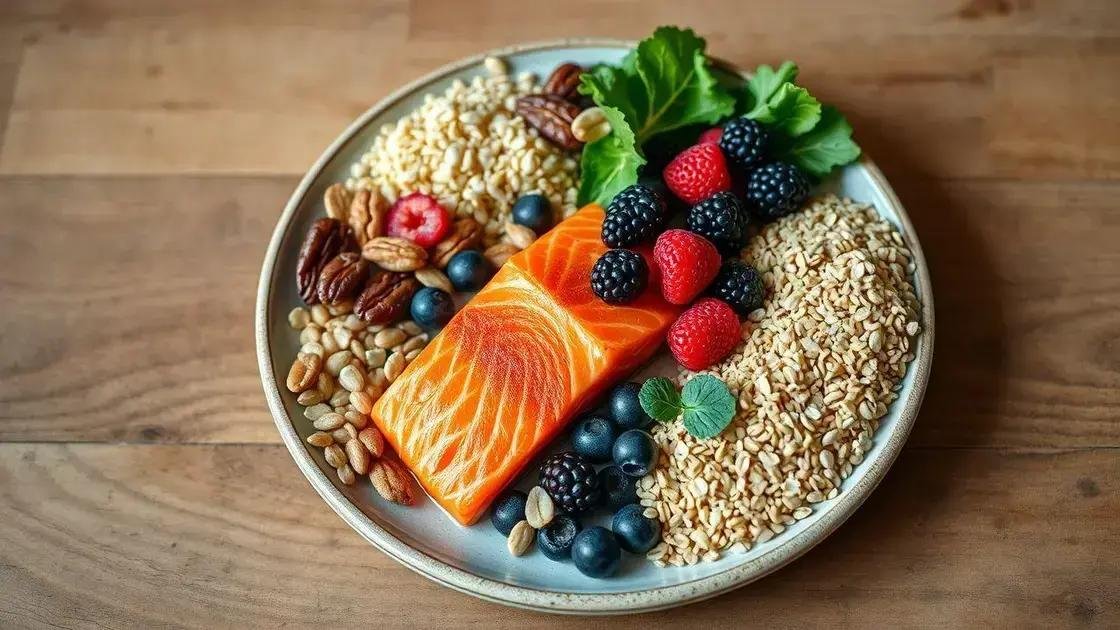
Incorporating superfoods into your diet is beneficial, but balance is essential for overall health. No single food can provide all the nutrients your body needs, so variety is key.
Combine Superfoods with Other Healthy Foods
Pair superfoods with whole grains, lean proteins, and healthy fats to create well-rounded meals. This ensures you get a mix of macronutrients and micronutrients.
Portion Control Matters
Even nutrient-dense superfoods should be eaten in reasonable portions. Overeating any food, even healthy ones, can lead to unwanted consequences like excess calories.
Pay Attention to Your Body’s Needs
Adapt your diet based on activity, age, and health conditions. For instance, some people may benefit more from certain superfoods due to specific nutritional requirements.
Incorporate Seasonal and Local Foods
Including seasonal and local foods can complement superfoods while supporting sustainability and freshness.
Stay Hydrated and Mindful
Drinking plenty of water and eating mindfully can improve nutrient absorption and overall well-being.
Balancing superfoods with a variety of other nutritious choices helps support a healthy, sustainable eating pattern.
Wrapping Up Your Superfood Journey
Superfoods can give your diet a powerful boost when added thoughtfully. Remember, they work best as part of a balanced and varied diet, not as magic cures.
By choosing the right superfoods, cooking them properly, and enjoying them in moderation, you can support your health and feel energized every day.
Start small, explore new foods, and make supercharging your meals an enjoyable and sustainable habit for long-term wellness.
FAQ – Common Questions About Superfoods
What exactly are superfoods?
Superfoods are nutrient-rich foods considered to be especially beneficial for health and well-being due to their high concentration of vitamins, minerals, and antioxidants.
Can eating superfoods alone improve my health?
No single superfood can replace a balanced diet. Superfoods support health best when combined with a variety of other nutritious foods in a balanced diet.
Are superfoods always expensive or exotic?
Not necessarily. Many common and affordable foods like spinach, oats, and beans qualify as superfoods because of their nutrient content.
How should I cook superfoods to keep their nutrients?
Use gentle cooking methods like steaming or sautéing, avoid overcooking, and include raw superfoods when possible to preserve nutrients.
How much superfood should I eat every day?
Moderation is key. Eating superfoods in reasonable portions as part of a varied diet ensures you get benefits without overdoing any single type of food.
Can I rely on supplements instead of eating superfoods?
Whole foods provide a mix of nutrients and fiber that supplements often lack, so it’s better to obtain nutrients mainly from natural food sources.